

Does Trinity Offer Support & Resources for Students With Families?

Key Takeaways:
- Students can bring a spouse, children, or both to St. Vincent, with Trinity-managed housing options available for families of different sizes.
- Families who relocate to St. Vincent can build day-to-day routines around schools, childcare, local services, recreation, and connections with other Trinity families.
- Students whose families remain home spend approximately 16 months completing Basic Sciences on St. Vincent before returning to the U.S.
- Trinity supports students with families through personalized relocation guidance, connections with students and alumni who have made the same transition, academic support, wellness resources, and a close-knit student community.
- During clinical training, students can complete most core rotations within their primary clinical region, allowing families to establish a more consistent geographic home base.
A lot of medical school advice is written with a traditional student in mind: someone in their early 20s with relatively few responsibilities outside the classroom. But if you are considering medical school later in life, you may also be thinking about a spouse, children, or other family commitments that will shape how you approach the journey.
At Trinity School of Medicine, you do not have to navigate these additional obstacles on your own. Medical students with families have access to tailored support, community connections, and guidance that can help them plan for medical school in the Caribbean, the transition to clinical rotations, and beyond. From housing and relocation to childcare and staying connected with other families, there are resources available to help you prepare for medical school in a way that takes your family’s needs into account.
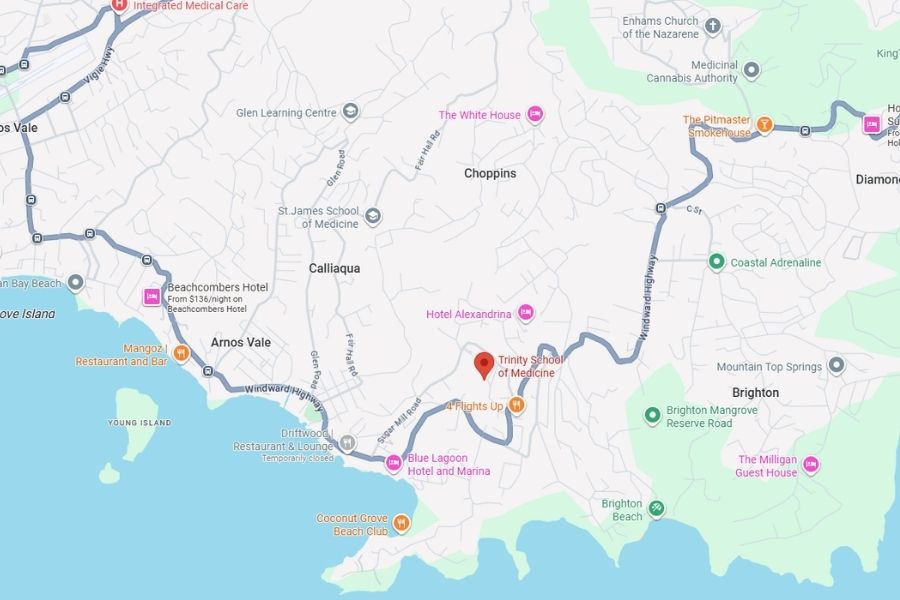
Can My Family Come to St. Vincent With Me?
Yes. If you plan to bring your spouse, children, or both with you to St. Vincent, your family can live with you in Trinity-managed housing during the basic sciences portion of the MD program. At Trinity, we strive to make the transition straightforward for students who prefer to relocate with their families rather than spend an extended period apart.
Medical School Housing Options for Students With Families
Trinity offers furnished student housing, with apartments ranging from one to four bedrooms, so you can easily find an option that makes sense for the size of your household. Apartments include a fully equipped kitchen, high-speed internet, air conditioning, and access to Trinity's transportation services and on-site security.
The needs of a student moving by themselves will naturally be different from those of a student bringing a partner or children. Having multiple apartment sizes available gives families more flexibility to find a living arrangement that provides the space they need while remaining connected to campus and the Trinity community.
Planning for the Cost of Living as a Medical Student With a Family
If you are bringing your family to St. Vincent, your budget will also look different from that of a student living alone. Housing is only one part of the equation. Depending on your circumstances, you may also need to account for:
- Groceries and other household expenses
- School or childcare costs
- Transportation beyond Trinity's provided services
- Healthcare and family-related expenses
- Recreation and other personal spending
There is no single cost-of-living estimate that will apply to every family. A couple relocating together, for example, will have very different expenses from a household with multiple school-age children. Talking through your plans with Trinity before the move can help you understand your housing options and identify the expenses you should consider when building a realistic family budget.
What Life Is Like for Medical Students and Their Families on St. Vincent
Moving to St. Vincent and the Grenadines with a spouse or children naturally involves more planning than relocating on your own. You may need to think about schools, childcare, transportation, errands, and how your family will spend their time while you are in class or studying. While every family will develop its own routine, St. Vincent has the schools, services, activities, and community resources that can help your family settle into day-to-day life on the island.
Schools and Childcare on St. Vincent
English is the official language of St. Vincent and the Grenadines, and the country has established primary and secondary school systems for school-age children.
Choosing a school or childcare provider will still require some research based on your child's age, your housing location, availability, and your family's preferences. This is one area where Trinity's close-knit community can be particularly helpful. Students with families regularly share recommendations and firsthand experiences with schools, childcare options, and other local resources, giving incoming families a place to start as they make their plans.
Managing Everyday Life on the Island
Living on St. Vincent also means establishing many of the same routines you would at home. Depending on your family's situation, that may include figuring out:
- Where you will shop for groceries and household essentials
- How your family will get around the island
- School or childcare schedules
- Healthcare and other everyday services
- Activities and opportunities to meet other families
Kingstown, the country's capital, offers markets, shops, and other everyday services. Trinity's transportation system also connects school-sponsored housing with campus, the teaching hospital, and the downtown market center, with regular trips to Kingstown and local grocery stores.
You also will not be the first Trinity student figuring these things out with a family. Other students and alumni have a wealth of knowledge about everything from where to shop to resources that have worked well for their children.
Activities for Families on St. Vincent
For students bringing a spouse or children to the Caribbean for medical school, life outside of class matters too. St. Vincent offers plenty of ways for your family to spend time together, particularly if you enjoy being outdoors.
Depending on your family's interests, time away from studying might include:
- Exploring beaches, waterfalls, and hiking areas
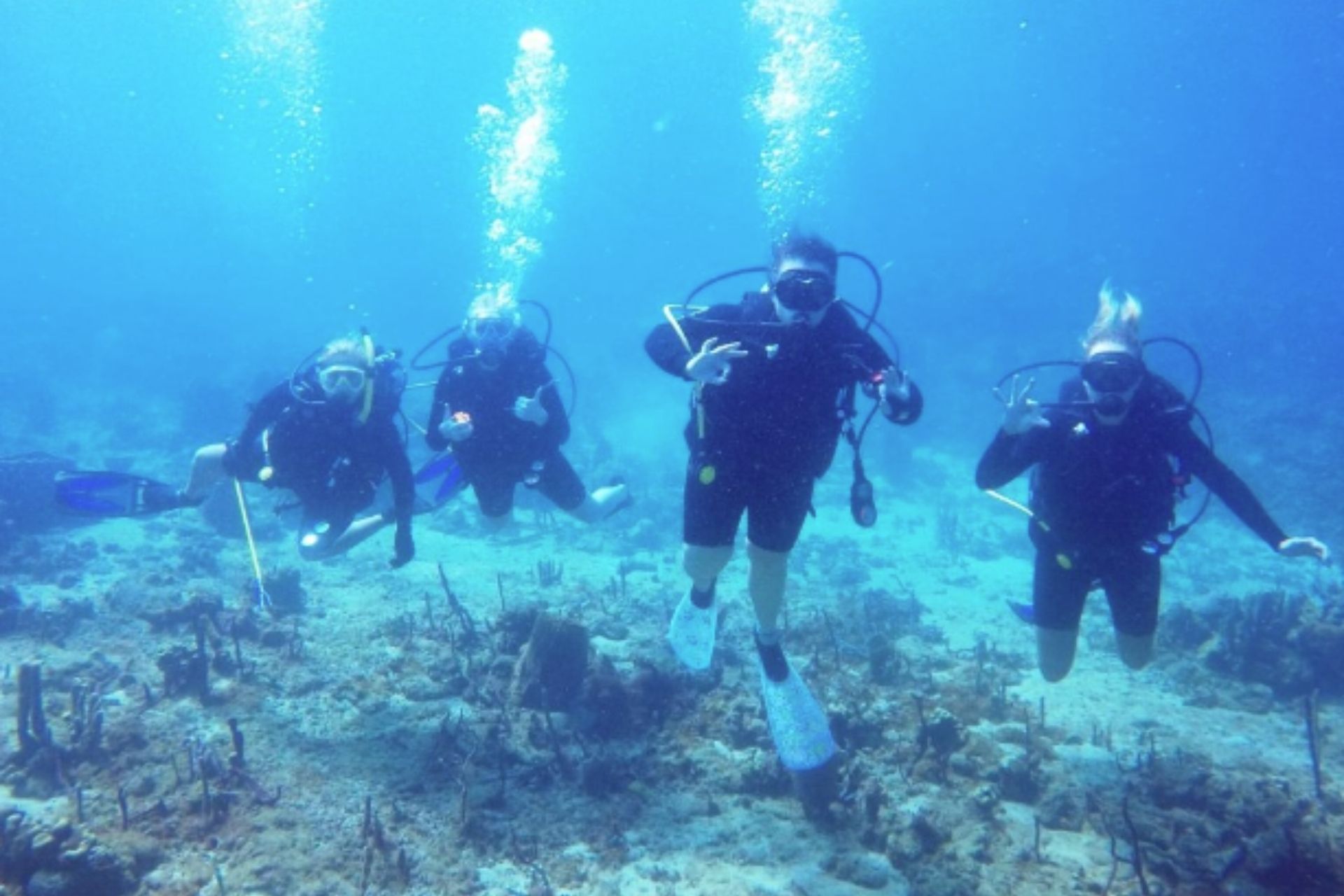
- Snorkeling, diving, sailing, or other activities on the water
- Visiting the St. Vincent Botanical Gardens or historic Fort Charlotte
- Shopping for fresh produce and local foods at the Kingstown Market
- Taking a day trip to nearby Grenadine islands such as Bequia
St. Vincent has a quieter, less tourism-focused character than some Caribbean destinations, but there is still plenty to explore. For families who relocate together, these activities can help make the 16 months on St. Vincent feel like a meaningful chapter for the whole family.
Safety and Building a Family Routine
Safety is also an understandable consideration when deciding whether to relocate your family internationally. As of September 2026, the U.S. Department of State lists St. Vincent and the Grenadines at Level 1: Exercise Normal Precautions, its lowest travel advisory level, and describes the country as generally safe for travelers. Families should still use the same common-sense precautions they would when adjusting to any unfamiliar place.
Ultimately, living on St. Vincent with your family will require an adjustment period. But you do not have to figure out every part of that transition independently. Connections with other Trinity students and families can help you learn the practical details of island life and begin building a routine that works for both your medical education and your family.

What If My Family Stays Home During Basic Sciences on St. Vincent?
Bringing your family to St. Vincent is not the right choice for every household. A spouse may have a job they need to keep, children may already be settled into school or childcare, or your family may have housing and support systems at home that would be difficult to leave temporarily. In those situations, some students decide that it makes more sense for their spouse and children to remain at home while they complete the Basic Sciences portion of the MD program.
If that is the arrangement that works best for your family, it can help to remember that your time on St. Vincent has a defined endpoint: Terms 1 through 4 are completed on the island over just 16 months.
Planning for Time Apart From Family During Medical School
Managing that time apart requires some advance planning. Depending on your family’s situation, you may want to think through:
- How often you plan to travel home
- How you will stay connected day to day
- How childcare, work, and household responsibilities will be managed
- How you will make the most of breaks between terms
Trinity’s academic calendar includes breaks between terms, which can provide opportunities to return home and spend time with your family.
Trinity’s MD program does not include online terms that allow you to begin the program from home before relocating. Students begin their MD coursework on St. Vincent. However, Trinity does offer a separate online Pre-Med Pathway for students who still need to complete prerequisite coursework before entering the MD program.

What Support Does Trinity Offer Students With Families?
Going to medical school with a spouse or children can introduce questions that do not always apply to a traditional student. You may be planning an international move for an entire household, managing responsibilities back home, or trying to understand how family life will fit alongside a demanding academic schedule.
Trinity supports students with families in several ways throughout the medical school experience. Some resources are specifically helpful when you are relocating or managing family responsibilities, while others are part of the academic, personal, and community support available to all Trinity students.
Talk With Students and Alumni Who Have Been Where You Are
One of the most useful resources can be speaking with someone who has already navigated the same transition. Trinity can connect prospective students with current students and alumni whose spouses or children joined them on St. Vincent during Basic Sciences.
Those conversations can give you a more personal perspective on topics such as:
- What it’s like relocating children to St. Vincent
- How to choose housing, schools, or childcare
- What spouses or partners do while students are in class or studying
- What to bring from home and what to purchase after arriving on St. Vincent
- What students should know before making the move
Every family will have a different experience, but hearing directly from someone who has made the move can help you think through practical details you may not know to ask about yet.
Get Personalized Support as You Prepare for Basic Sciences on St. Vincent
Relocating to St. Vincent is not a one-size-fits-all process, particularly when you are bringing a family. Your questions may depend on how many people are moving with you, the ages of your children, what you plan to bring, and what you will need once you arrive.
Trinity works with students individually as they prepare for that transition and can help them think through the practical details of getting established on the island. For families, that support can include guidance on shipping belongings to St. Vincent and arranging transportation from the airport when you arrive. Students can also turn to Trinity and its student community with questions about housing, local resources, and adjusting to day-to-day life.
Academic Support Can Be Especially Valuable When Your Time Is Limited
Time management is an important skill for any medical student, but it can be especially important when you have a family. Children can bring unexpected schedule changes and responsibilities, and you will also want to protect time to be present with your spouse or children while keeping up with the demands of medical school. When challenges do come up, having accessible academic support can help you adjust your approach and address problems before they become larger ones.
Trinity’s student support system includes individual academic counseling, accessible faculty and deans, peer and faculty tutoring, and guidance on study strategies and academic progress. Students can work with faculty and support staff to identify where they are struggling and determine how to approach their coursework more effectively.
Counseling and Wellness Resources Are Available Too
Balancing family and medical school can mean managing several responsibilities at once. You may be adjusting to a new country, spending time away from loved ones, handling financial responsibilities, and trying to be present for your family while keeping up with the demands of medical school.
Trinity provides confidential mental health counseling as well as wellness programming and resources focused on helping students manage stress and maintain their well-being. These resources give students another source of support when the personal demands of medical school become difficult to manage on their own.
Community Support Can Make Daily Life Easier
Some of the most useful support for medical students with families comes from the Trinity community itself. Students share recommendations about schools, childcare, activities, shopping, transportation, and other parts of life on St. Vincent. Upper-term students and classmates can also offer practical advice based on their own experience living on the island.
If you are entering medical school later in life and bringing a family with you, that kind of firsthand guidance can be a lifeline. Your responsibilities may look different from those of some of your classmates, but you will still have people around you who can help you navigate day-to-day life and find what works best for your family.
What Does Family Life Look Like During Clinical Rotations?
After approximately 16 months of Basic Sciences coursework on the island, Trinity students return to the U.S. for Term 5 in Warner Robins, Georgia, before moving into their clinical rotations. For families who remained home during Basic Sciences, this may make it easier to live together again. For families who relocated to St. Vincent, the experience can be a temporary chapter abroad before returning to the U.S. together for the next phase of medical school.
Clinical Rotations Within a Primary Clinical Region
Trinity’s clinical training is structured to give students a consistent geographic home base. Depending on their clinical region, students may complete core rotations in Georgia, Maryland, Virginia, South Texas, or California.
Trinity’s clinical training is structured around regional clinical hubs. Students complete most core rotations within their primary clinical region, helping provide a more consistent geographic home base throughout clinical training. This allows your family to settle within the region and plan around a spouse’s job, children’s schooling or childcare, and longer-term housing while you progress through your core rotations.
Because Trinity schedules and coordinates all required core rotations, students do not have to manage placement logistics themselves and can keep their attention on their medical training and their families.
Finding Housing That Works for Your Family
Students whose families join them during clinical rotations often choose to arrange their own housing. This gives you more flexibility to look for a home that fits your household’s needs, whether that means additional bedrooms, proximity to schools or childcare, or a location that works well for a spouse’s commute and your clinical schedule.
Trinity can support students as they consider housing options in their clinical region. Once your location is established, your family can focus on finding the living arrangement and neighborhood that make the most sense for the next stage of your medical education.
Discuss Your Family’s Plans With Trinity
Every family situation is different. Whether your family joins you on St. Vincent may depend on a spouse’s job, your children’s ages, school or childcare needs, housing preferences, and other responsibilities at home.
If you are considering Trinity School of Medicine, an admissions counselor can help you talk through those details and explain how other students with families have approached the transition. Trinity can also connect you with current students or alumni who have firsthand experience navigating medical school as parents, giving you the chance to hear what worked for their families and what they learned along the way.
Reach out to a Trinity admissions counselor today to get personalized guidance for your family’s next steps.


