Student Spotlight: Robert Berardi
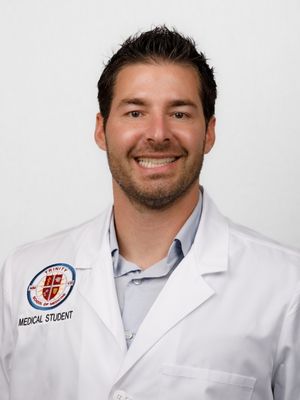
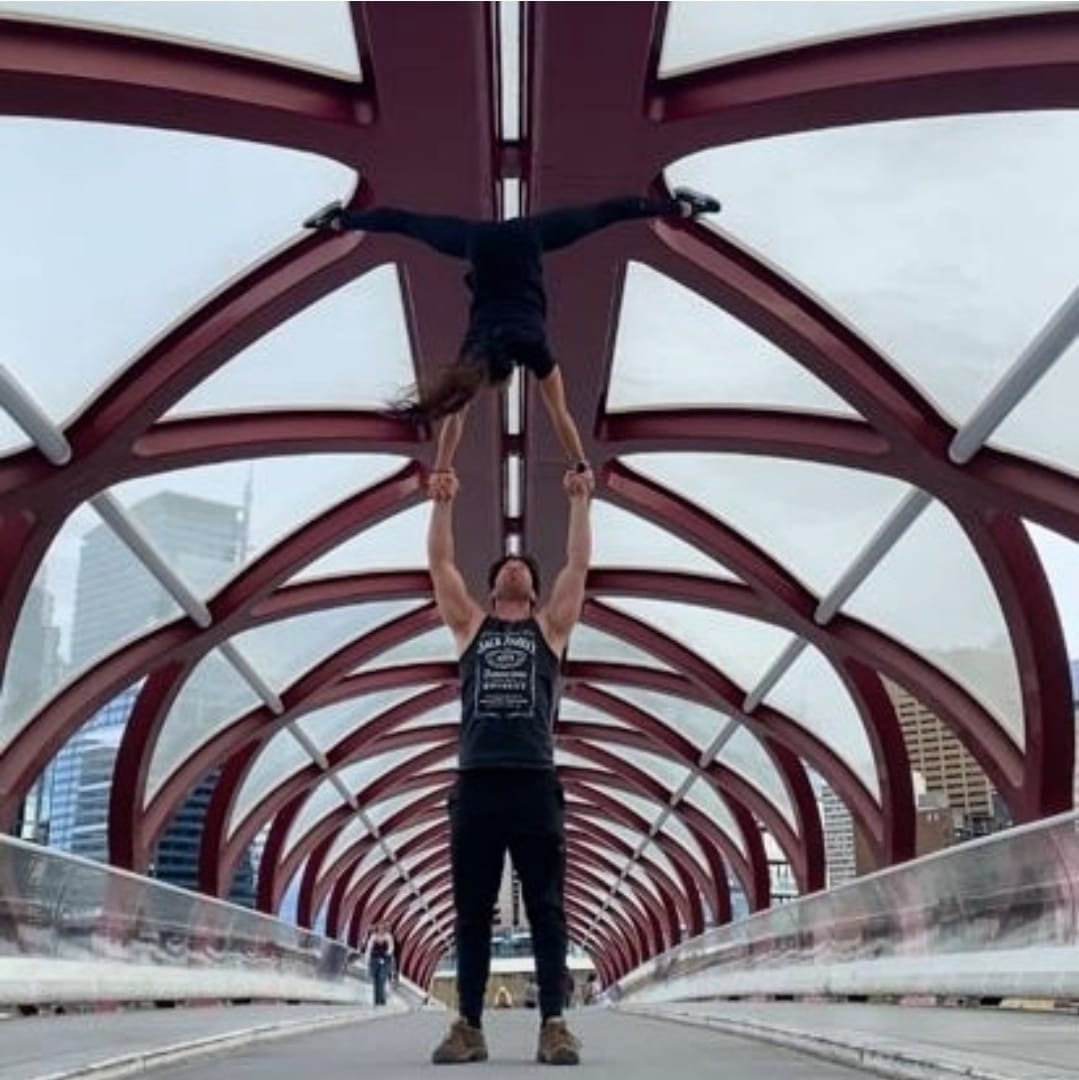
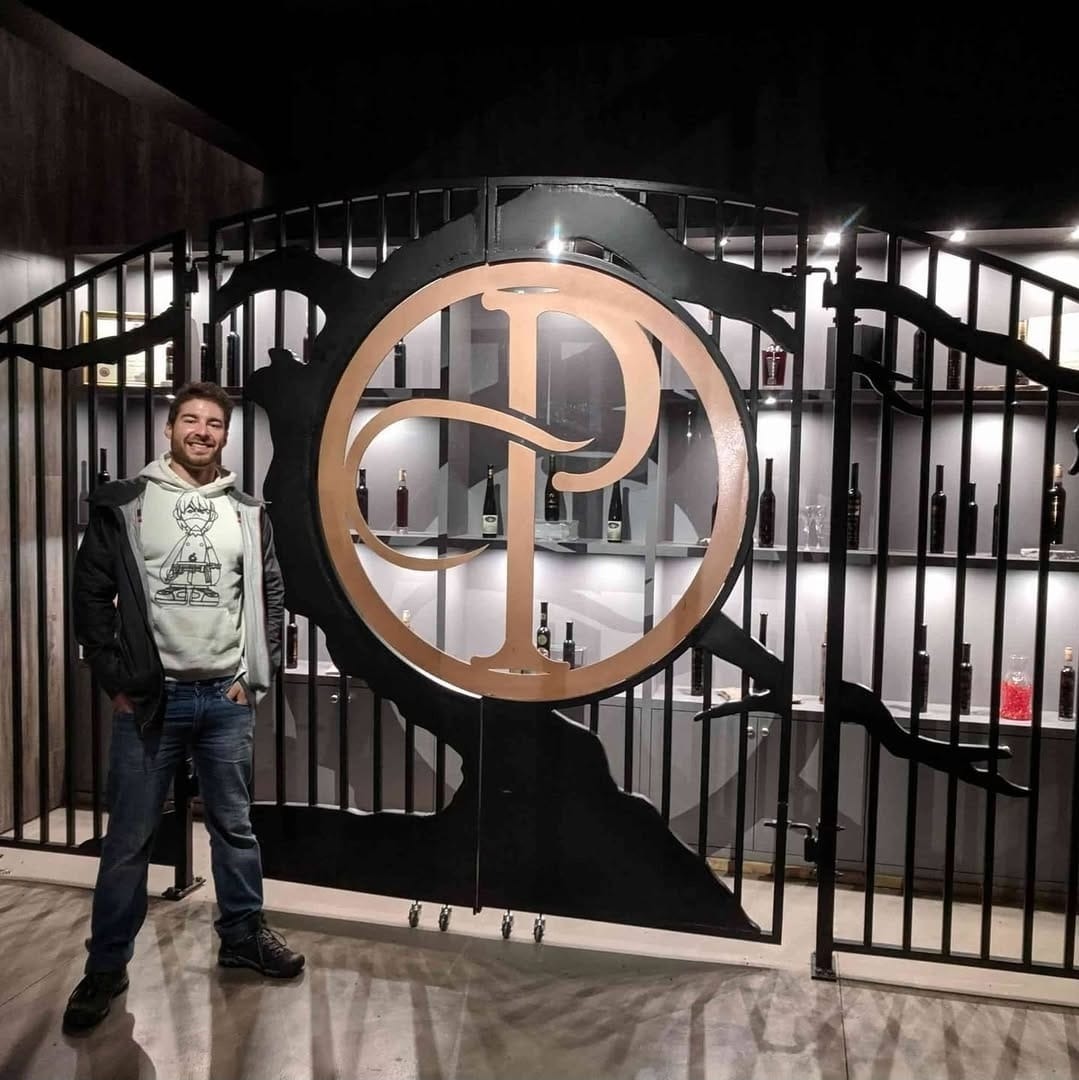
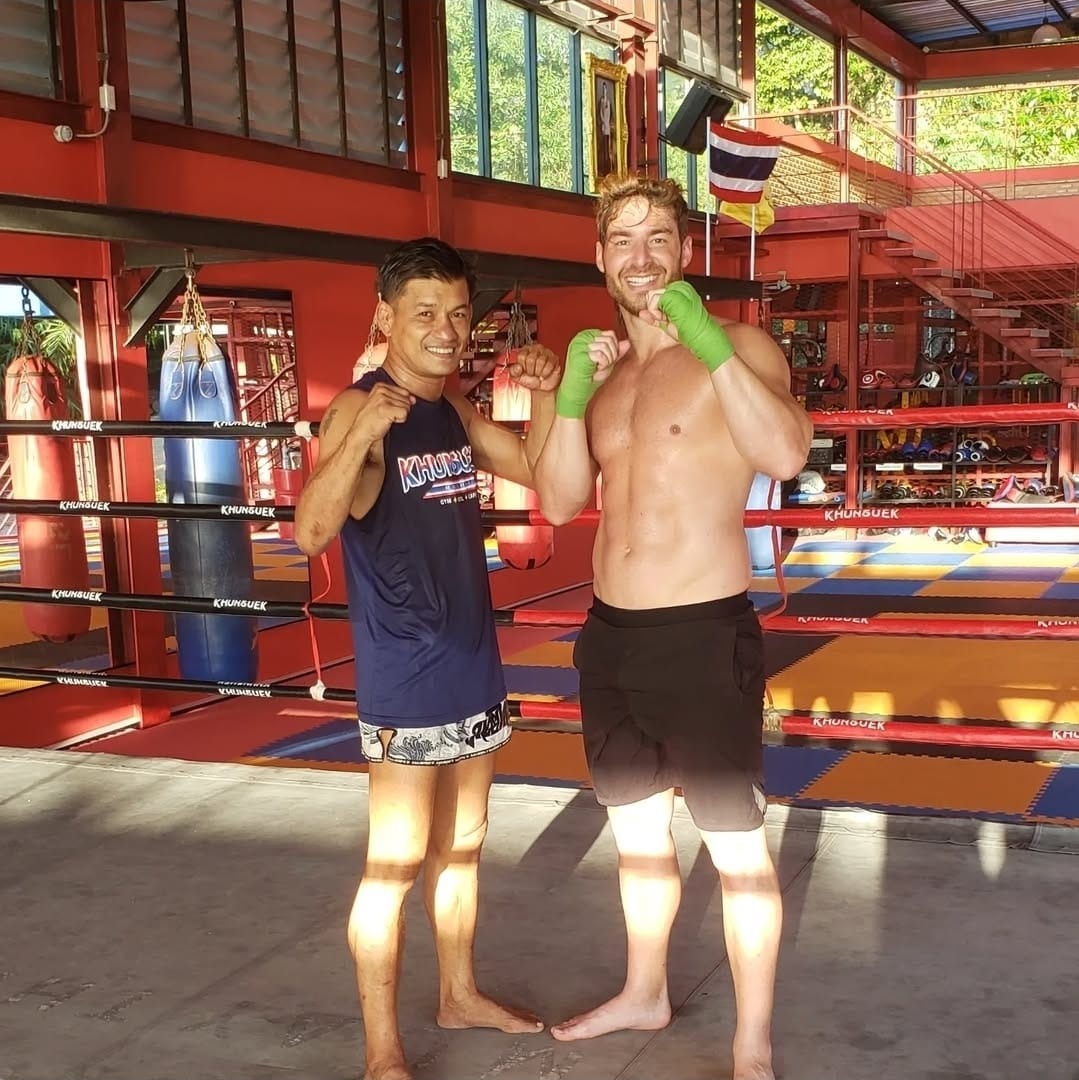
Robert’s path to medicine is anything but conventional. Originally from Canada, he began his academic journey in the arts, studying philosophy, history, and economics at the University of Guelph before pursuing a wide range of hands-on careers. After working in the museum world, his experiences took him across Europe, into entrepreneurship as a blacksmith, and later into the mountains of Western Canada, where he worked as a massage therapist and discovered a deep appreciation for patient care. Seeking greater meaning and a holistic way to serve others, Robert ultimately pursued medicine, bringing with him a rare blend of intellectual curiosity, practical skill, discipline, and life experience that continues to shape his approach as a medical student at Trinity.
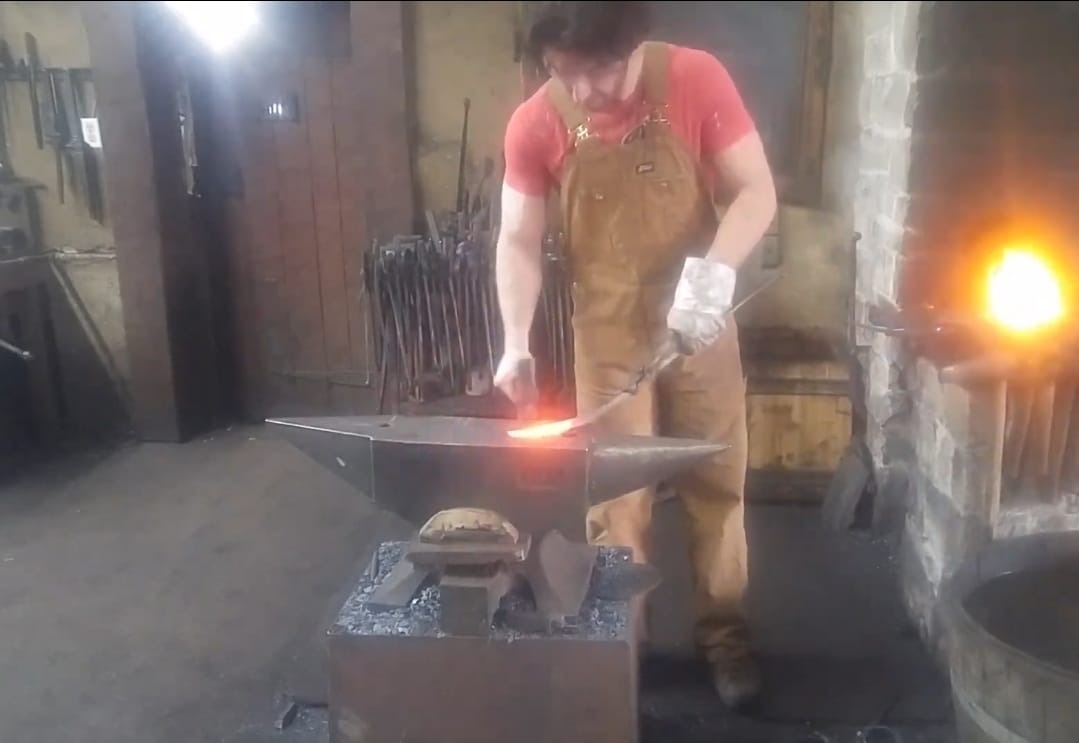
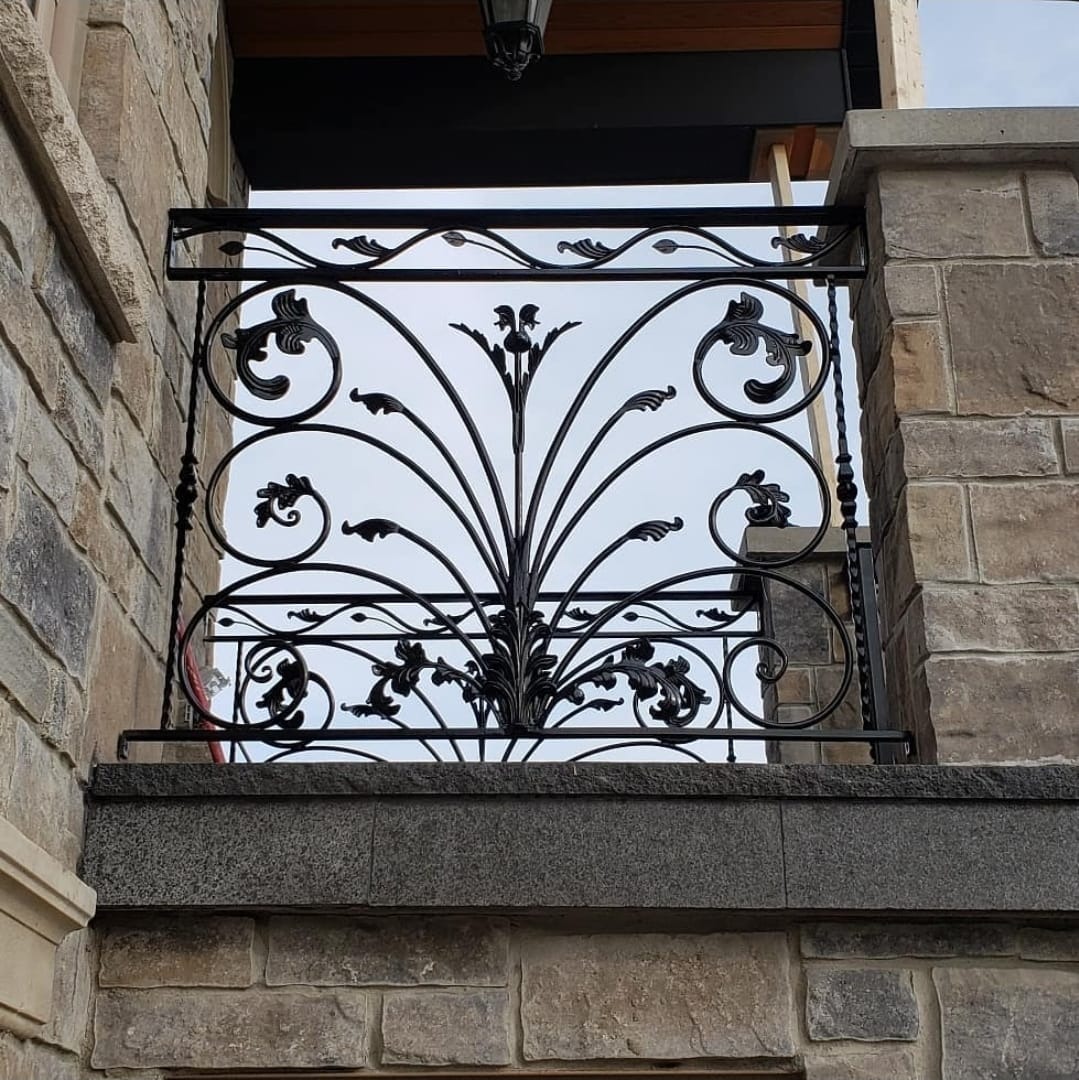
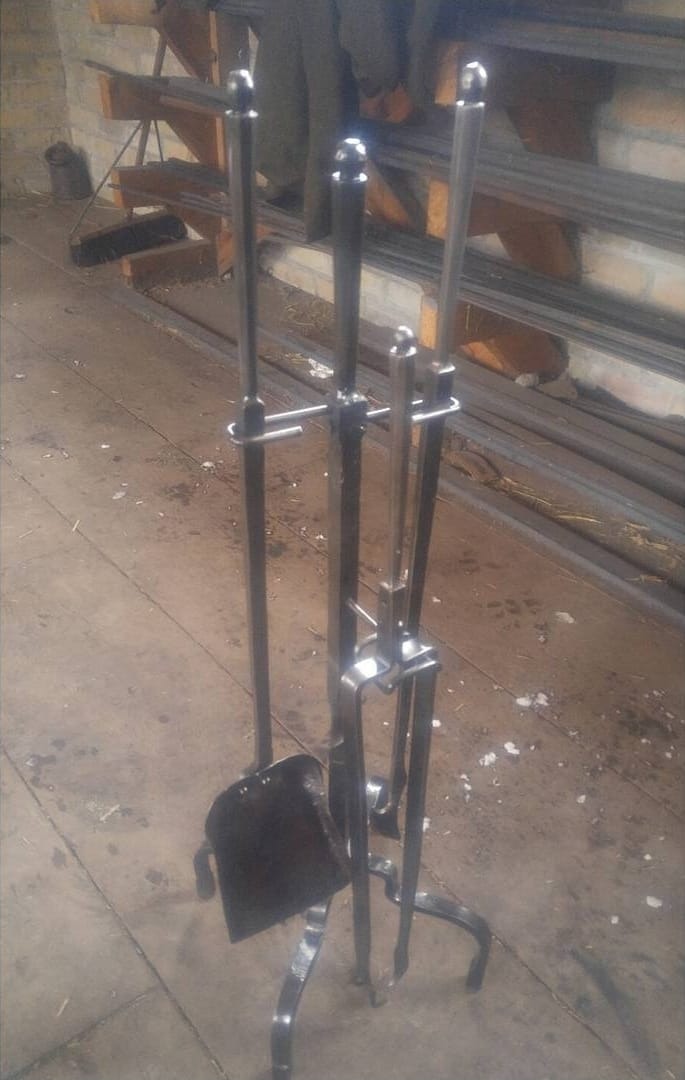
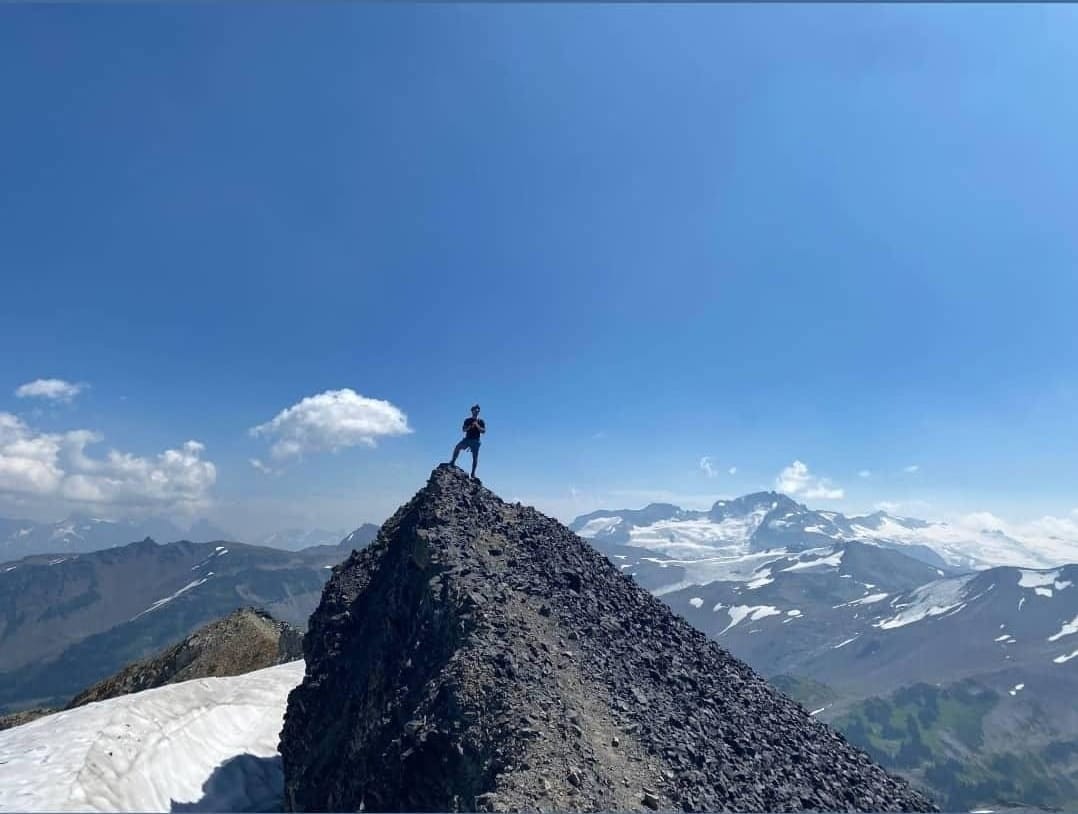
Where are you from, and what’s your academic background? I’m from Canada, and my academic path was nontraditional. Rather than pursuing a science major, I studied the arts, studying philosophy, history, and economics at the University of Guelph in Ontario. Before medicine, I worked in a variety of hands-on and educational roles, including welding, home construction, and nearly a decade in museums, where I helped train interpreters in subjects such as history, archaeology, science and technology, and geology, as well as traditional trades like blacksmithing, woodworking, and leatherwork. I also spent time in Europe working with metal art professors in Germany and England, and later returned to Canada to start a blacksmithing business, building railings and gates. Afterward, I moved to the mountains of Western Canada and worked as a massage therapist in Canmore for two years.
After these experiences, I began searching for greater meaning and explored other career paths, including a firefighter apprenticeship, disaster-response work, and military, before ultimately being encouraged to pursue medicine.
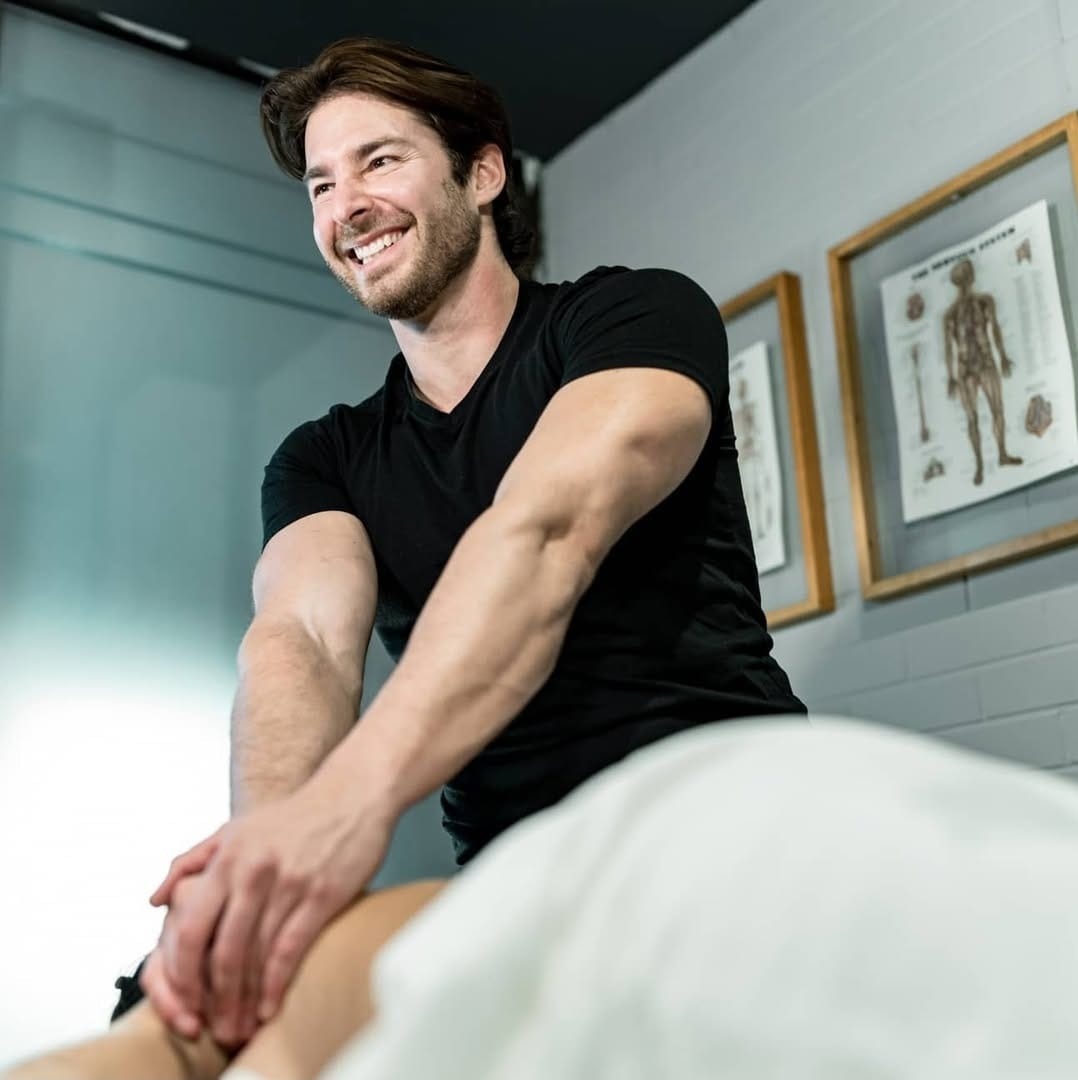
What brought you into medicine? My interest in medicine grew out of the patient relationships I developed while working as a massage therapist. I found treating patients deeply rewarding, but I knew it was not a sustainable long-term career due to its physical demands. I wanted a more comprehensive foundation that would allow me to care for patients in a more holistic way.
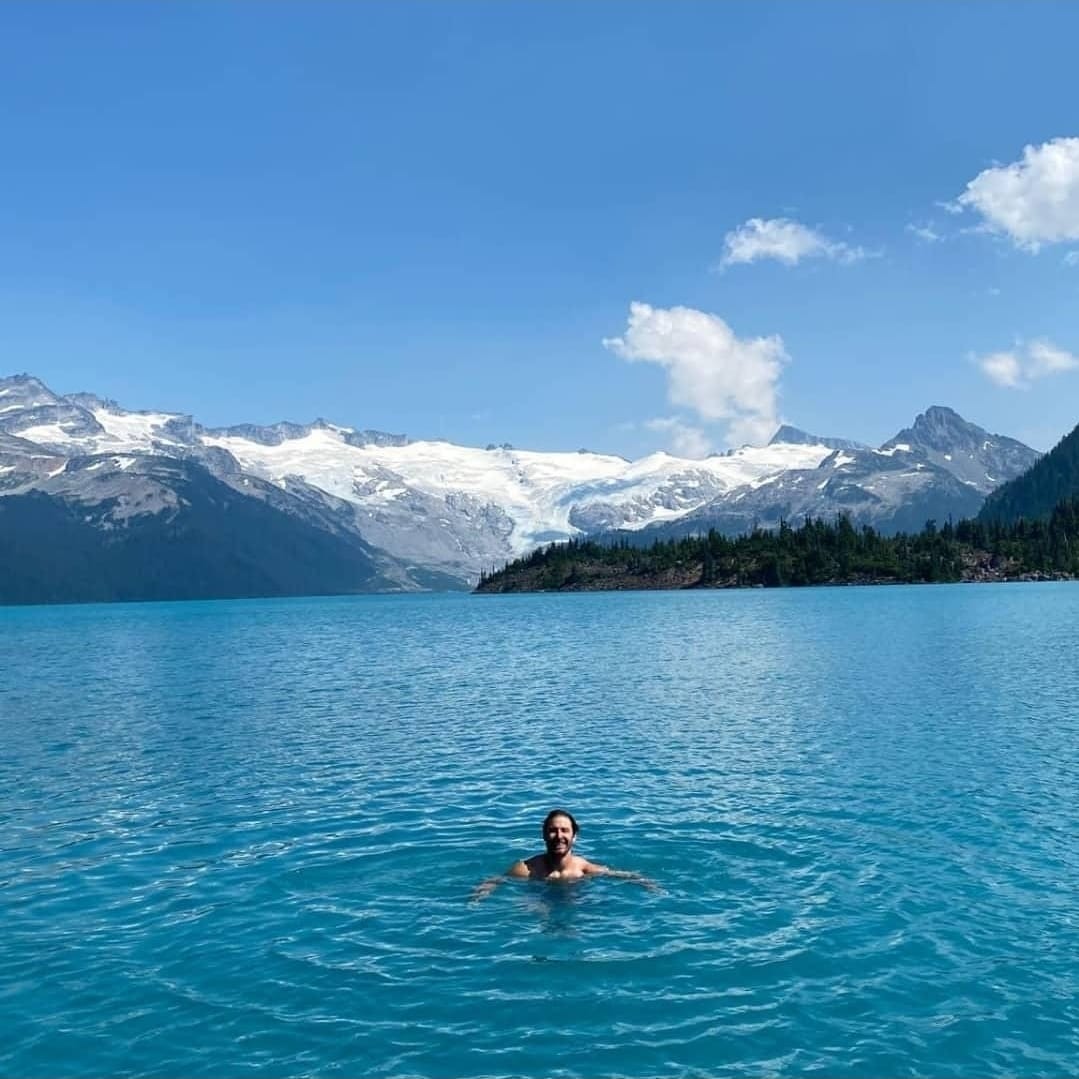
Did you ever consider Canadian medical schools? I did consider applying to Canadian medical schools, particularly since I was going to do part-time work with the military and was encouraged to pursue medicine through that route. However, based on my academic profile and prior experience researching the process after graduating from university in Ontario as an Arts major, I knew my chances of acceptance in Canada were limited. Even though I graduated at the top of my program, my overall average was not competitive enough, and preparing for and writing the MCAT, plus applications and prerequisite courses, would have added roughly two more years to the process. Rather than waiting, I chose to begin medical school in the Caribbean, where I was able to start within weeks.
As a Term 5 transfer, why did you choose Trinity, and what helped you make that decision? Before transferring to Trinity, I was enrolled at another Caribbean medical school in St. Vincent. However, I noticed that students ahead of me were experiencing significant delays in starting their clinical rotations. I chose Trinity because of its reputation for a faster transition from the classroom to clinical training, which has proven accurate. Instead of waiting six months or longer, I was able to transition into rotations in about one month.
How well do you think Trinity is preparing you for the Match? It’s been a great experience so far. Although I have not yet started my clinical rotations, I will be beginning them soon, and through student clubs and the clinical skills course, I’ve already received a substantial amount of hands-on training. I’ve been pleasantly surprised by the quality and depth of this preparation.
What specialty are you hoping to match into? I’m keeping an open mind, as I haven’t completed my clinical rotations yet, but I’m particularly drawn to rural or more generalized emergency medicine, where physicians manage a broad scope of care. I’m open to training anywhere in Canada or the United States, as long as the medicine is engaging. Given the nature of the Match process, I think it’s important to maintain an open mind as students don’t have full control over what happens.
Have you felt supported throughout your education at Trinity? Absolutely. I’ve felt especially supported with the documentation required for crossing the border from Canada to the U.S., a process that has become increasingly challenging in recent years. Trinity also provided me with all of the required documentation to write the USMLE Step 1 exam within a week of passing my comprehensive exam. Many schools take significantly longer, and extended delays can negatively impact performance, so I was very grateful to be able to sit for the exam promptly and pass.
Are you active in any organizations? Yes, I’m currently active in the Emergency Medicine Interest Club. Last semester, the Surgical Interest Group also functioned as an emergency medicine–focused group, and I’m hoping this semester includes even more hands-on courses and simulation experiences.
What was the transition like from where you moved from to St. Vincent and then to our Term 5 in Warner Robins, Georgia? During my time at my previous medical school, I chose the simplest, most affordable apartment so I could spend as little time there as possible, dedicating myself instead to the library and classrooms. Coming from a non-science background, I had a lot of catching up to do. My days typically consisted of eight hours of classes followed by four or more hours of evening study; this was 12 or more hours a day, seven days a week, for about a year and a half. It was intense, but I wasn’t a stranger to dedicated work and focused on the opportunity to become a doctor, determined not to waste my time or investment.
What do you think about our clinical skills course? The clinical skills course was a crucial part of my training. At my previous medical school, the focus was solely on preparing for the comprehensive exam, so I was pleasantly surprised that Trinity offers a week-long hands-on clinical skills training at the simulation centers of Central Georgia Technical College, right next to our student housing in Warner Robins, GA. Combined with the simulations offered through student clubs, this training has been highly effective and efficiently delivered.
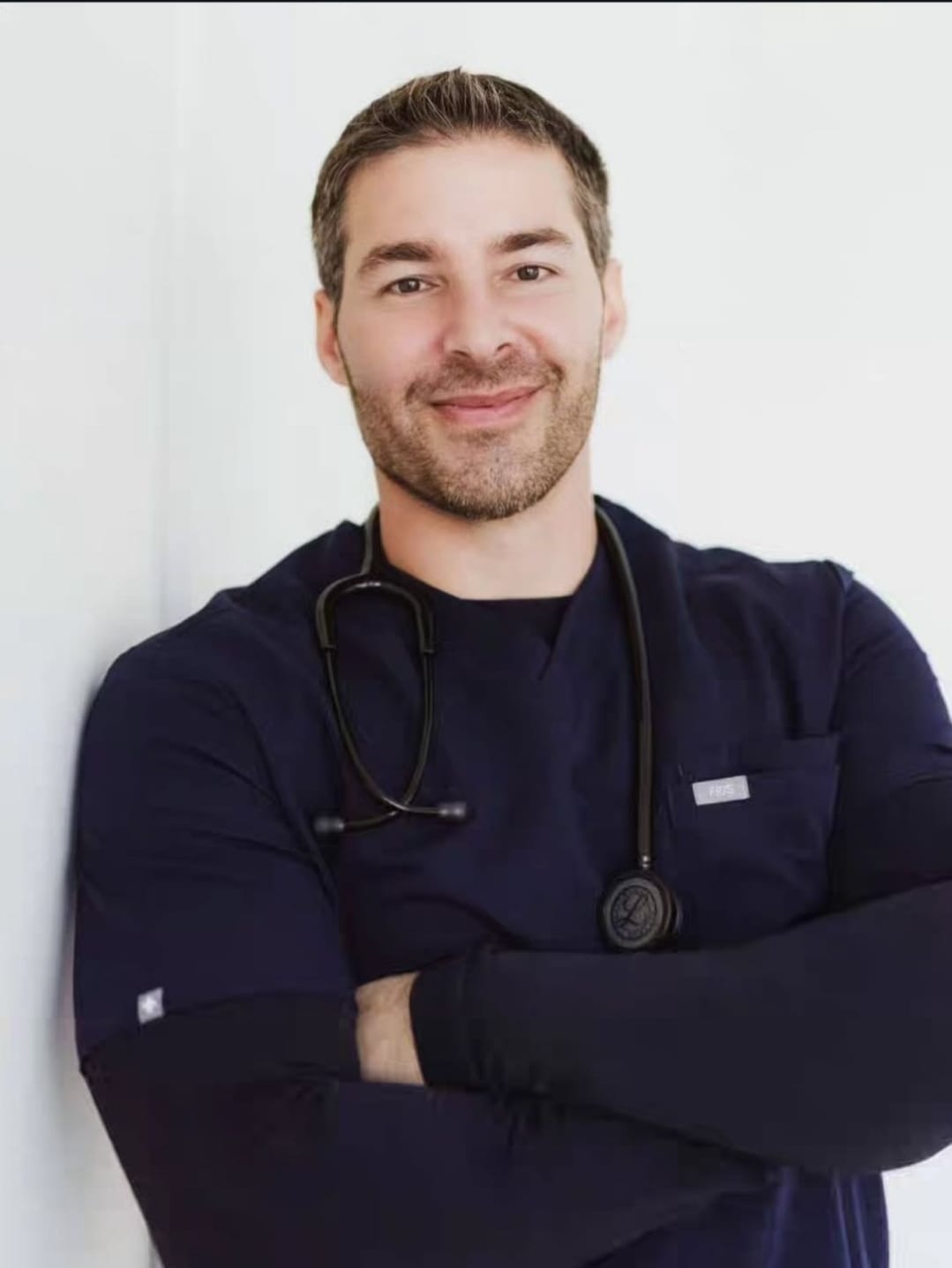
What has been your favorite experience so far at Trinity? My favorite experience so far has been studying with other students in the lounge at The Lofts. The space has a pool table, a big screen, and even a massage chair, which made it perfect for balancing work and breaks. Our routine was simple but effective: study for an hour or two, play a game of pool, then study again. Toward the end of the evening, around 9 o’clock, we’d gather on the large couch to do UWorld questions on the big screen, answering thirty to forty questions together. It was a fun way to keep momentum, reinforce what we’d learned, and connect with classmates.
What is the best advice you could share with a prospective Trinity student? If you’re going to pursue this path, you have to give it your all. You need to be prepared to put in an extraordinary amount of effort and embrace the challenge rather than be intimidated by it. When you reach the other side, it’s something you’ll look back on with immense pride.
If you’re interested in learning how Trinity can support your dream of becoming a doctor, we invite you to reach out to our admissions team today! Contact us here.