

Student Spotlight: Andrew Wolfram

Andrew Wolfram’s path to medicine has been shaped by a lifelong interest in science, service, and helping others. Originally from Green Bay, Wisconsin, he studied kinesiology, exercise, and movement science at the University of Wisconsin–Madison, where he earned a certificate focused on promoting physical activity for individuals with diverse abilities. Inspired in part by his father’s career in medicine and by a desire to make a meaningful impact, Andrew set out on a journey that would take him far beyond the Midwest, offering experiences that would shape both his medical training and his outlook along the way.
On March 20, 2026, Andrew matched into General Surgery at HCA Ocala, FL.
What brought you into medicine? Growing up, I wanted to be a superhero. Unfortunately, I don’t have superpowers, and I’m not rich enough to be Batman or Iron Man, so my most realistic options for saving lives were healthcare, firefighting, or law enforcement. When my dad took me to shadow in the operating room, my mind was set on becoming a doctor.
You can major in really anything and still get into medical school, so long as you do the prerequisites. I was really into exercise and sports, so I majored in kinesiology to better understand the benefits of exercise, sports, and nutrition.
Why did you choose Trinity, and what helped you make the decision? Did you apply to other med schools? I graduated in May 2022, and immediately applied to U.S. medical schools, knowing I didn't want to take a gap year. I got waitlisted at a school in Milwaukee, Wisconsin, not too far from my house. I kept wondering whether they were going to take me, since I really didn’t want to risk taking a gap year.
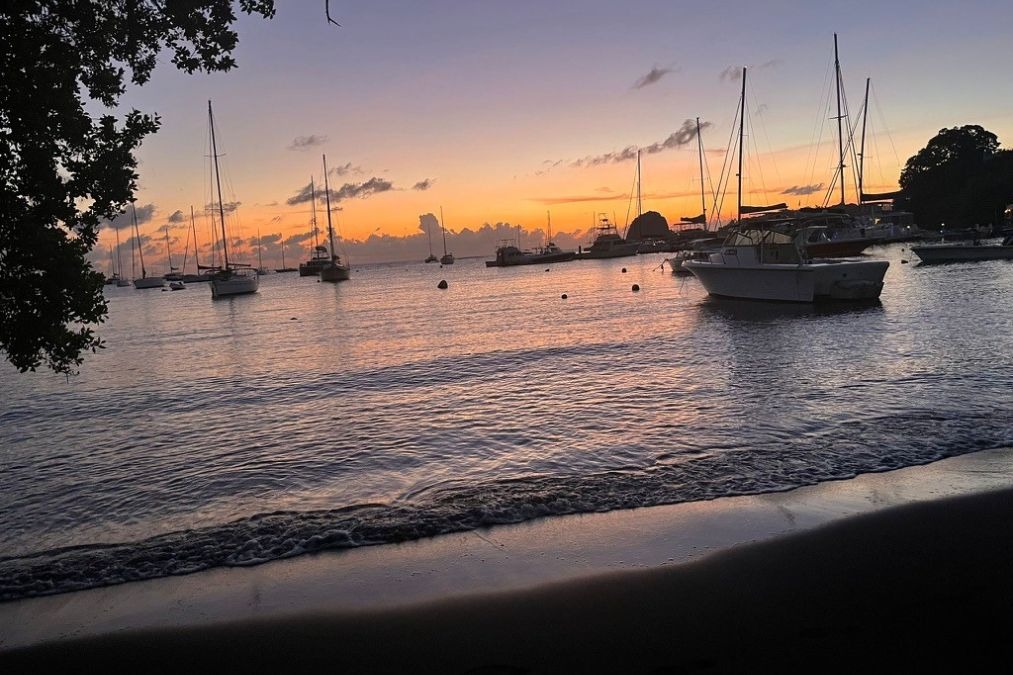
All of a sudden, I got an email from Trinity encouraging me to apply. It had a picture of palm trees and a button that said, “Apply Now for Free.” I was like, ‘All right, sweet, if it's free, it's me.’ So, I applied and ended up meeting with an admissions counselor who talked to me about the school and scholarship opportunities. I had the opportunity to experience the first sixteen months of med school in a warm, sunny place and check out the islands. I was like, ‘Why not? Let's do it.’ And that’s how I got to Trinity.
How well do you think Trinity is preparing you for the Match? Trinity provided several helpful resources. The deans met with us to go over potential interview questions, and they also gave us a document with commonly asked interview questions and suggested answers, along with tips on how to prepare ahead of time. Because of that support, I felt well prepared going into interview season.
.jpeg)
What specialty are you hoping to match into? I’m hoping to match into general surgery. I only applied to general surgery programs.
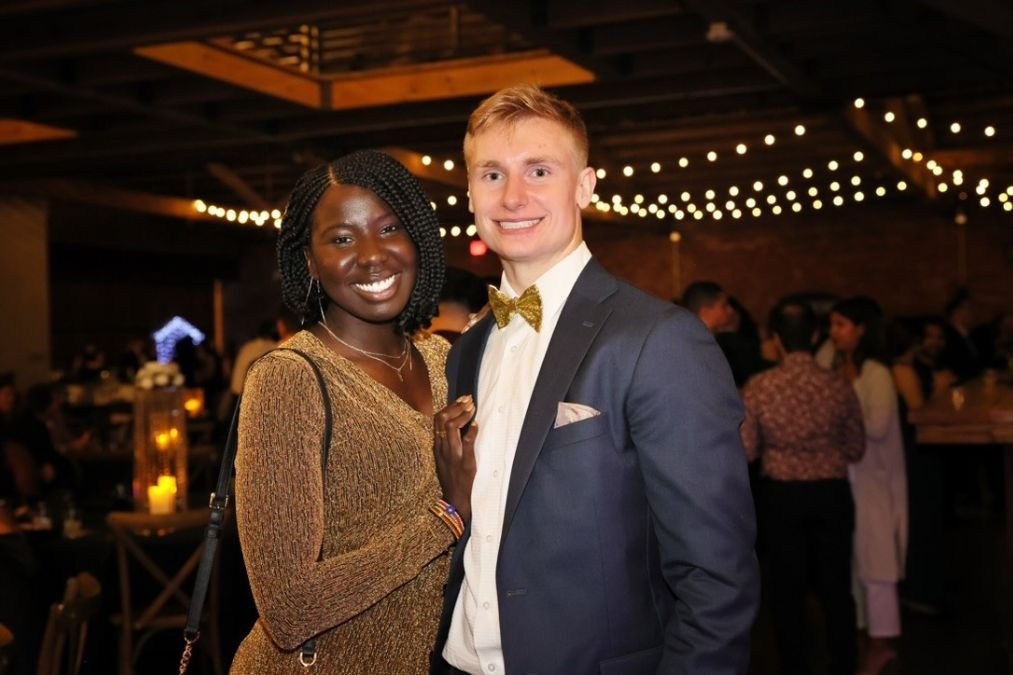
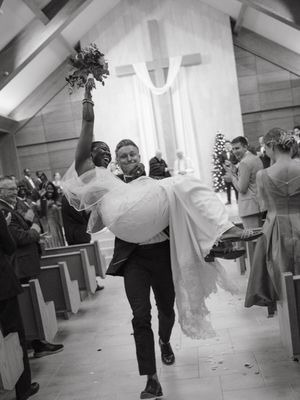
Was Trinity a good choice for you? I'd say so! I earned my MD in less than four years, which was pretty awesome. I also met my wife there and made a lot of great friends. While I was on the island, I got scuba certified and had the chance to experience so many amazing things. Overall, I had a great time, and I’d absolutely do it again if I had the choice.
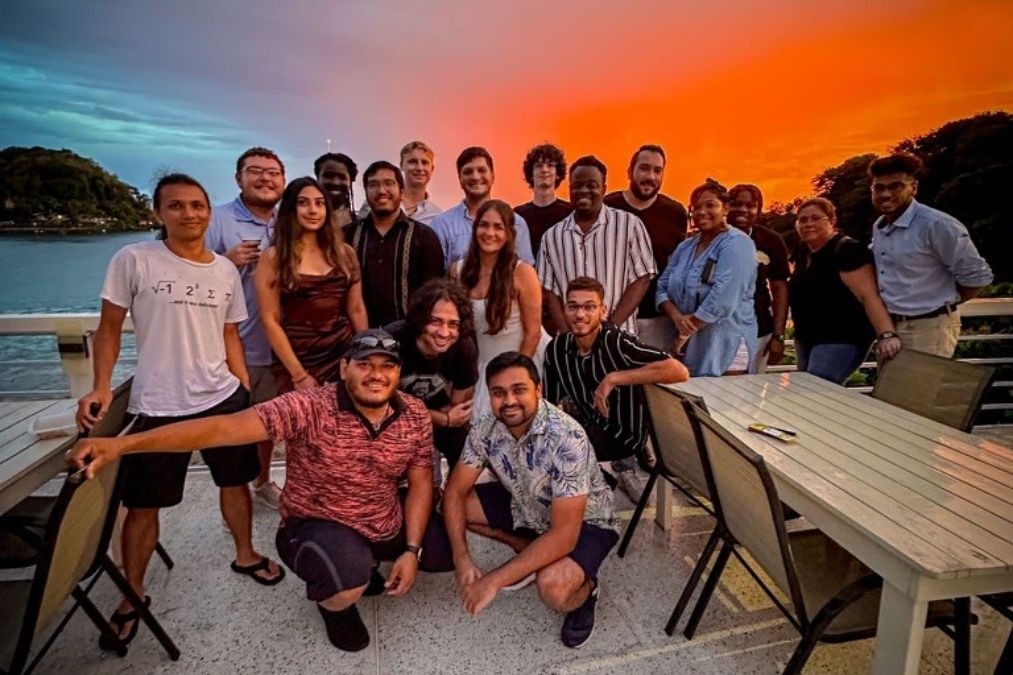
Have you felt supported throughout your education at Trinity? Yes, absolutely. I felt supported by the deans, the teachers, and the students throughout my entire time there. When I first arrived on the island, there was a welcome committee made up of second-, third-, and fourth-term students who shared recommendations and helped me get settled.
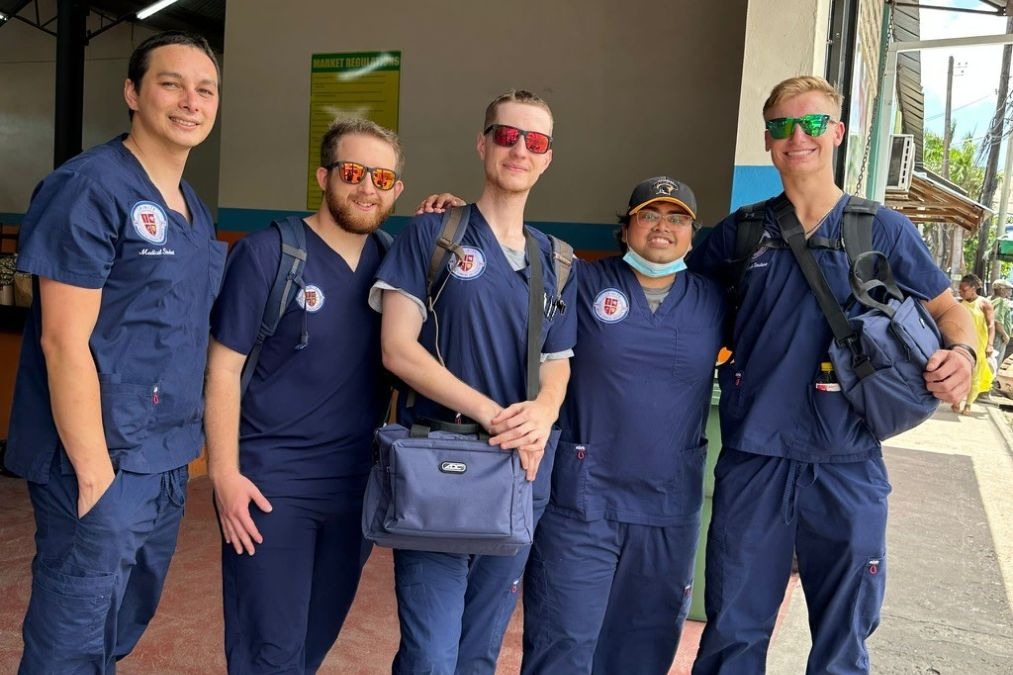
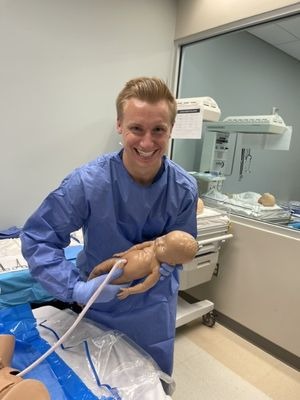
Before starting medical school, I expected it to be very competitive, where everyone was trying to get ahead and might want others to struggle so they could do better. But I never felt that way at Trinity. I always felt supported by my fellow classmates, and the staff and deans were incredibly encouraging as well.
When Dr. Manahan and Dr. Geisler arrived, they made it very clear that they were there to support students and were always available to help if we had questions.
Are you involved in any research? Yes, a lot of it. Dr. Dessin, who used to be the microbiology professor on the island, was a really kind person, and I became good friends with him. He was doing a lot of research on enteric bacteria like Salmonella, Campylobacter, and E. coli, so I worked with him and a few other students on several projects. We ended up publishing a book chapter on Salmonella and presented multiple posters on Salmonella-related research.
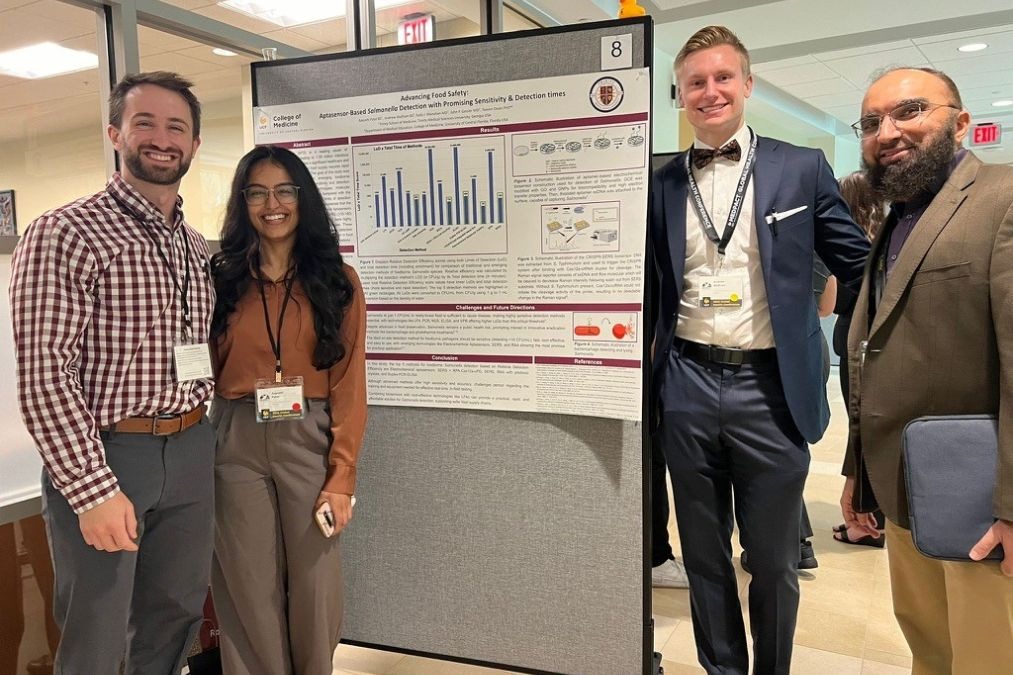
My friends Greg, Tom, and I also worked on a poster about air medical flight transport, which we presented at the American College of Surgeons conference in Colorado. We also traveled to Los Angeles to present one of our four Salmonella posters.
Right now, my wife and I are working on a methylene blue project for the upcoming Trinity Research Fair. When it came to research opportunities, Dr. Manahan, in particular, always has something in the works. If you were interested in getting involved, you could easily reach out to her or the SGA research fair and find a way to participate.
What was the transition like from Wisconsin to living on the island and studying abroad? The weather was definitely better, for sure. I had traveled outside of the country before with my family, so it wasn’t a huge culture shock for me. I already had a general idea of what to expect. That said, there were definitely fewer Targets and Walmarts, and if you wanted something shipped, it would take a few weeks, so you really had to come prepared with what you needed.
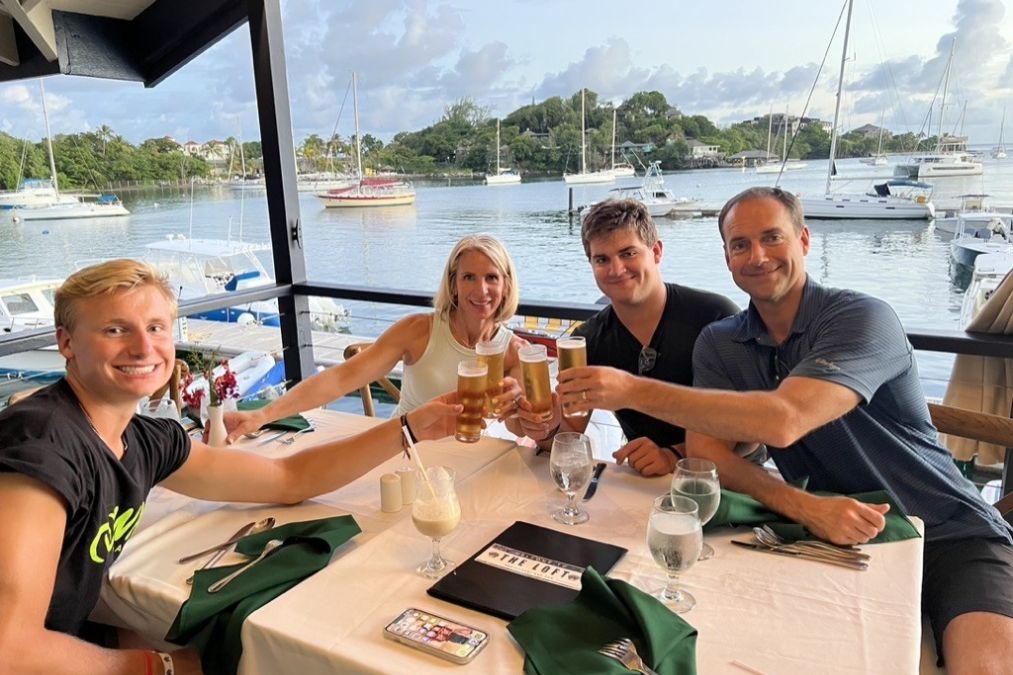
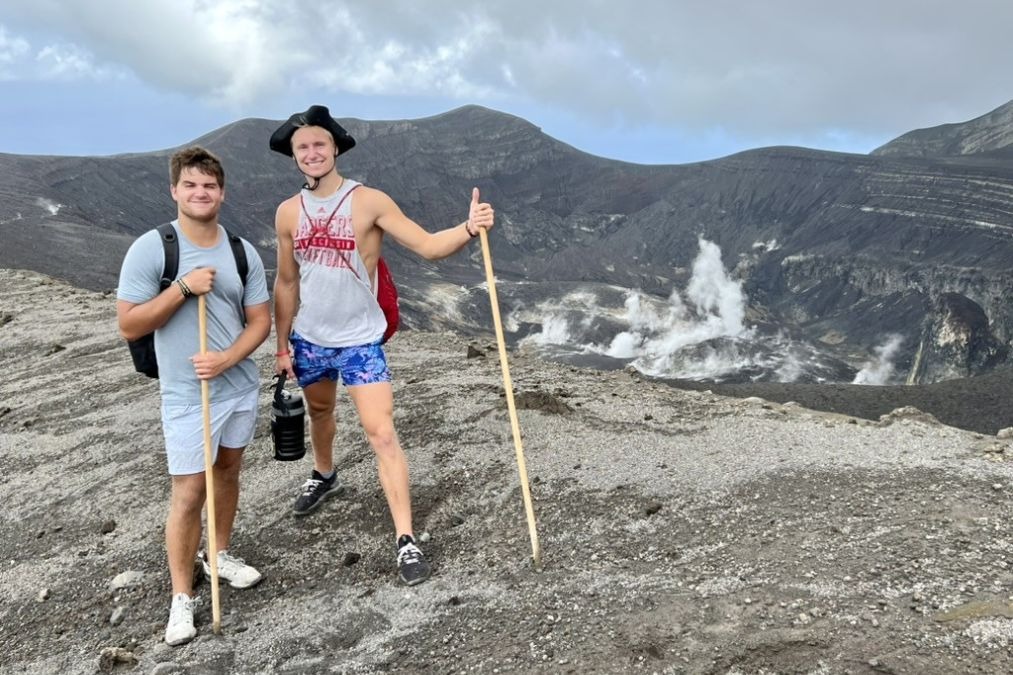
Overall, it was a pretty awesome experience for my family and me because we kind of made a vacation out of it. We arrived a little early before school started and spent time hiking the volcano, visiting waterfalls, exploring trails, relaxing by the beach, and drinking pina coladas. We had a great time settling in.
Were you active in any community service organizations? Rotaract was one of the main organizations I was involved with. I eventually stepped down from my leadership role because I felt like my CV was already pretty full, and I wanted to allow other students to take on those positions. I still try to volunteer whenever I can. Now that I have a little more free time, I continue to participate in different events. For example, this past weekend we attended the Abundant Life Gala hosted by Wesley Glen, which raised over a million dollars to support individuals with disabilities by helping them find jobs, housing, and other resources. That’s an event we try to support every year.
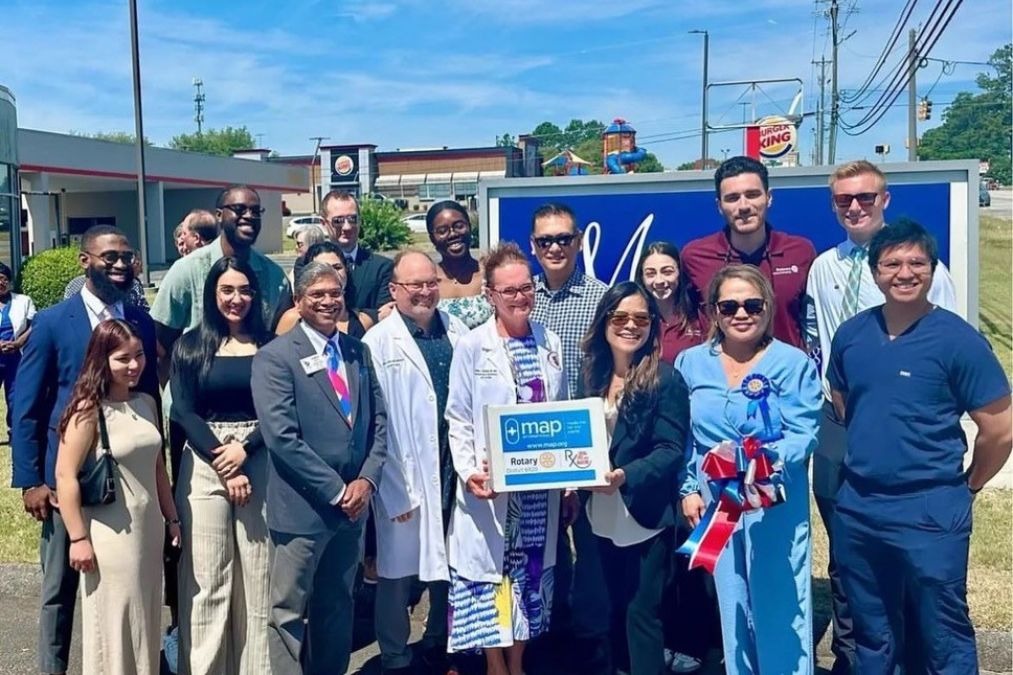
I was also involved with Habitat for Humanity for a while, although I became less active once Rotaract started taking on many of those projects. In addition, there’s a volunteer medical clinic in Warner Robins that provides healthcare for uninsured workers under 65, and I help out there whenever I can.
During my time at Trinity, I tried to get involved in as many community projects as possible. When I was living at the Lofts, I noticed there wasn’t much recycling in the area, so I started a small recycling initiative for the school and the Lofts community. For a while, I would collect the recycling and transport it weekly, but once I moved away, it became difficult to maintain, and we eventually had to stop the project.
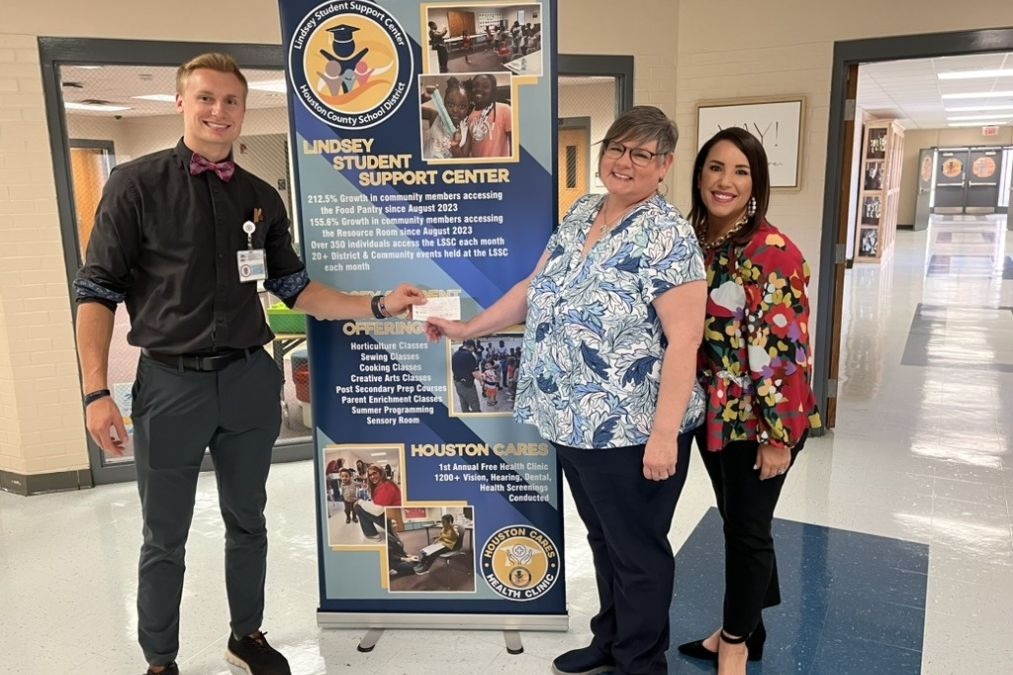
I also connected with people in the Warner Robins education system, including Bonnie Brown at the Lindsay Student Support Center. One of our favorite events was the Housing Cares event. For the past few years, we’ve brought between 10 and 30 Trinity students to volunteer and help provide basic health screenings for members of the Warner Robins community who often have limited access to medical care. I believe last year we saw around 300–400 people over the course of two days. We mainly helped with vital signs, but the event also included dental screenings, vision checks, a vaccination clinic, and nutrition counseling.
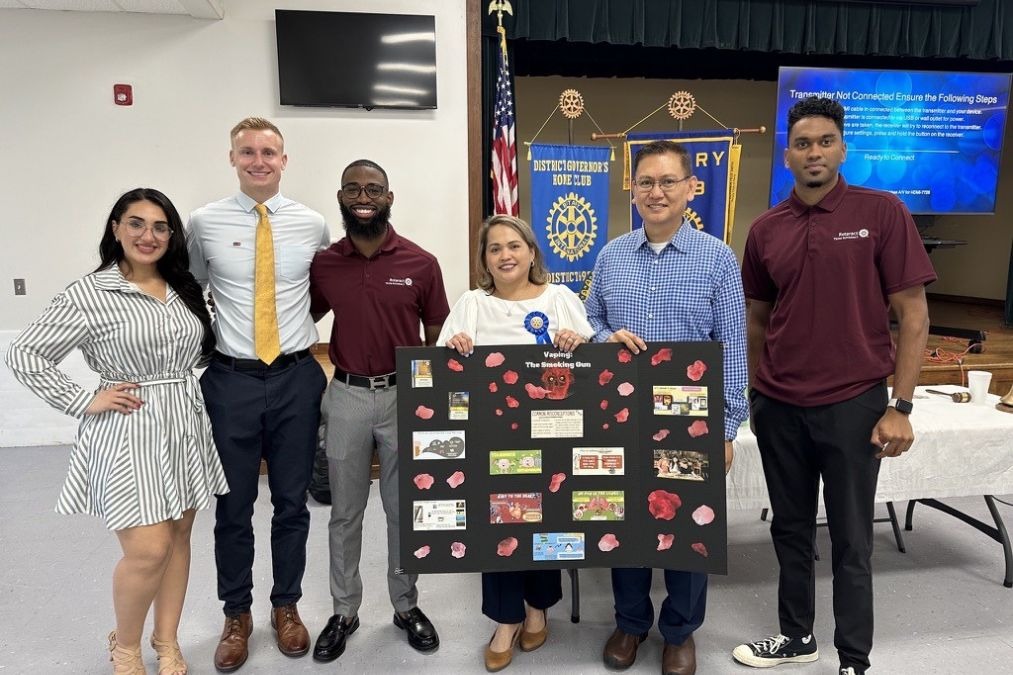
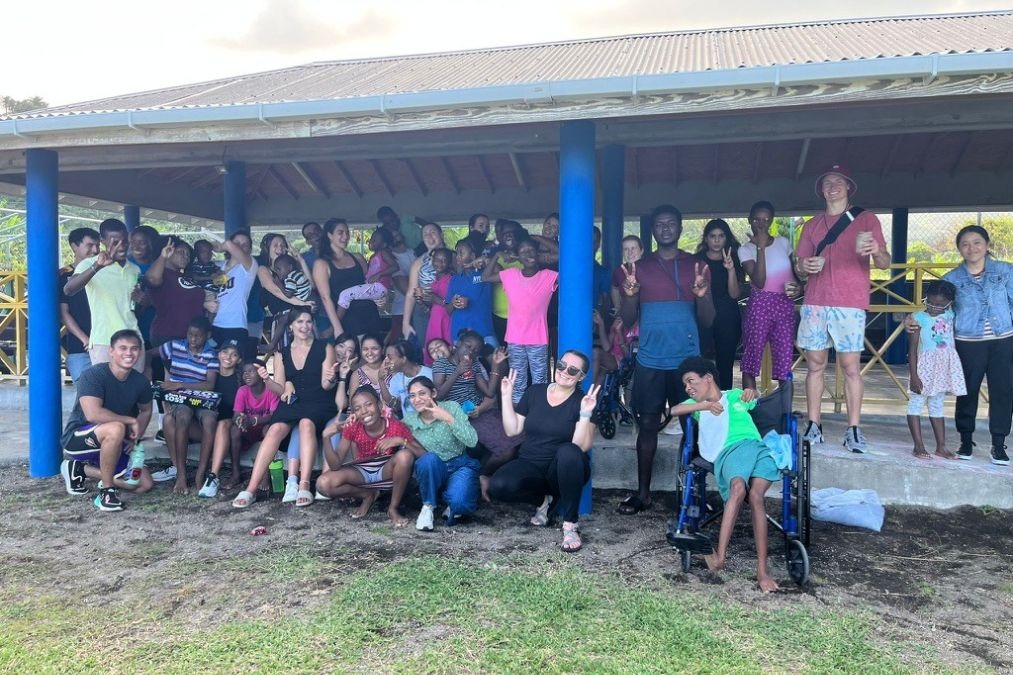
Another project a few classmates and I started was an anti-vaping initiative. We visited middle schools and high schools to talk with students about the risks of vaping, which has become a growing concern. We also participated in Operation Healing Smiles, where we visited a local orphanage to spend time with the kids—sometimes watching movies, sometimes playing soccer. One time, we even had the children bring their teddy bears through a mock health screening to help them feel more comfortable around doctors and medical environments.
We also worked with visiting medical teams, including World Pediatrics, where I helped the orthopedic team screen patients for a few days. In addition, we regularly ran blood pressure and blood sugar clinics in Kingstown. We would often have long lines of people waiting for screenings, and sometimes we saw extremely high readings, which highlighted how important those services were for the community.
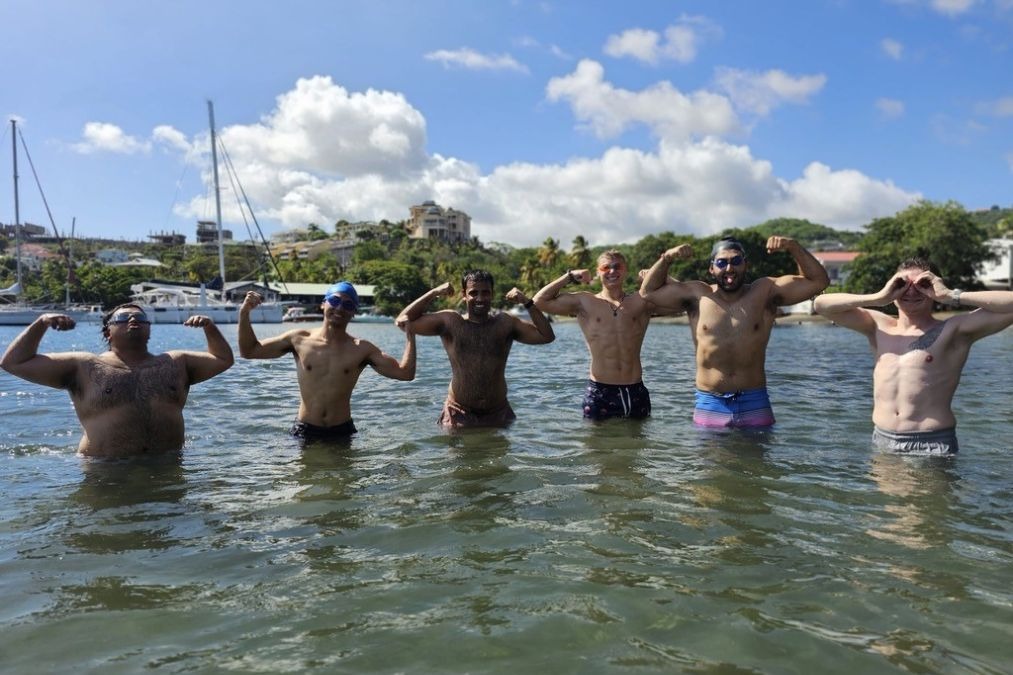
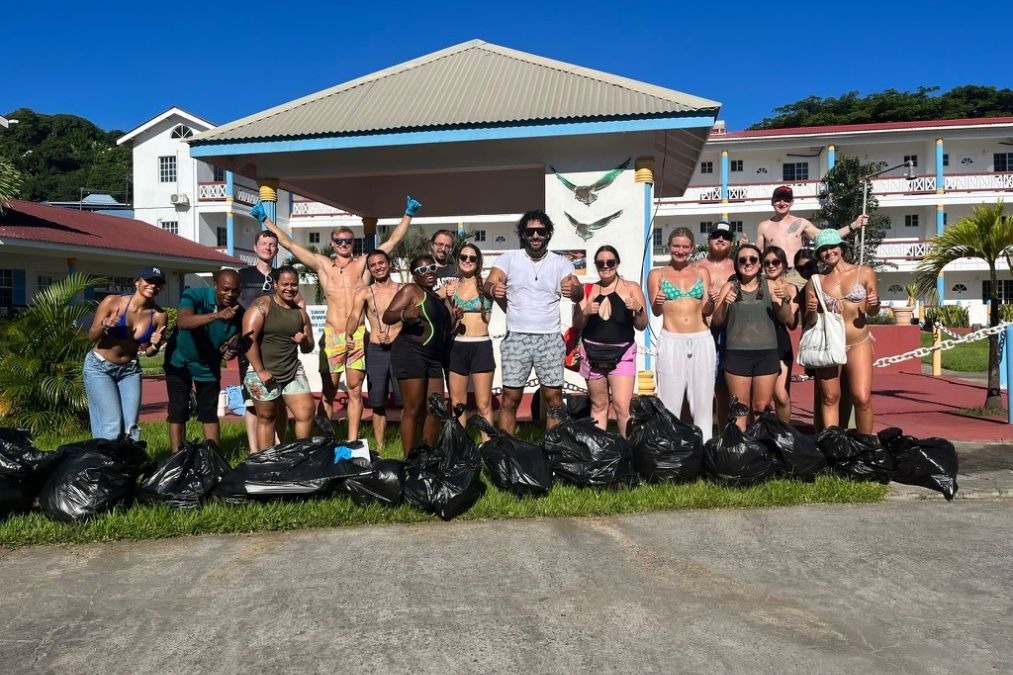
There were many other smaller activities as well, like beach cleanups and other service projects. Overall, there were a lot of opportunities to get involved and give back to the community.
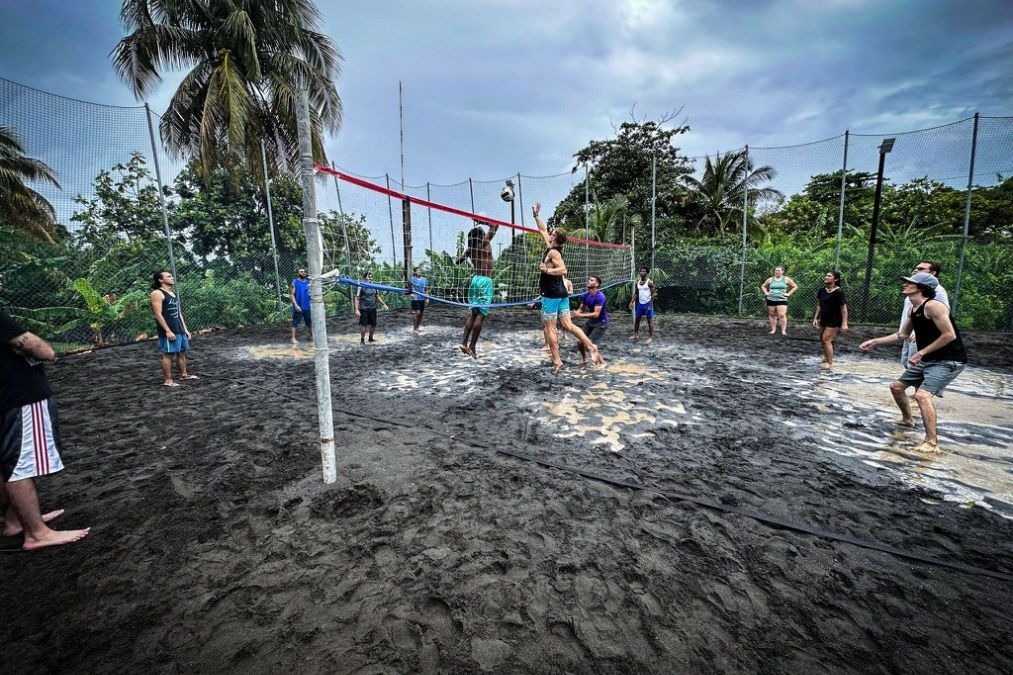
What has been your favorite experience so far at Trinity? I’d say one of my favorite things was probably playing sand volleyball on the island. The tournaments were always a lot of fun, and having a volleyball court only about 300 feet from the lecture hall was pretty awesome. As soon as class ended, you could go play a few games, blow off some steam, and then head back to studying.
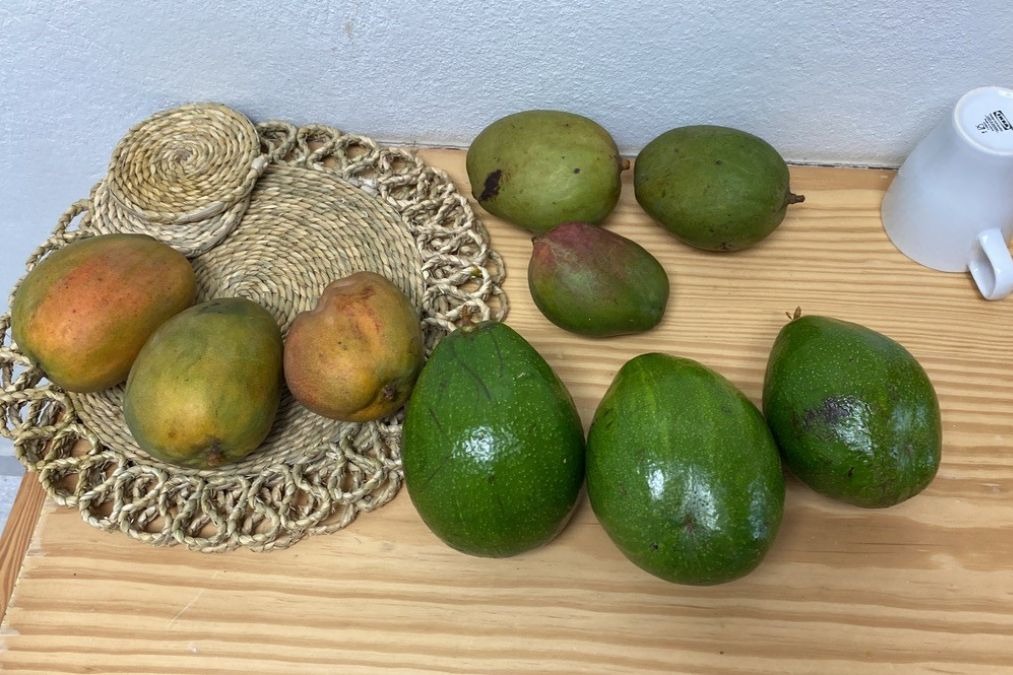
Another thing I really loved was the fresh fruit you could get right off the trees. On the way to campus, I’d sometimes grab a banana, an avocado, or a mango. I definitely miss that a lot. There are actually mango, avocado, and banana trees on campus, and people absolutely take the fruit. On my way to class, I’d eat one, and on the way back, I’d pick up whatever had fallen on the ground, otherwise it would just go to the bugs or get left there.
During mango season, that tree would produce hundreds of mangoes. Even if everyone took a bunch, there would still be more than enough. You kind of had to use them or lose them. Sometimes I’d take extra mangoes home, freeze them, and use them later to make smoothies.
What is the best advice you could share with a prospective Trinity student?
For a Trinity student, my advice would be to put in the work every day and take things one step at a time. Don’t overwhelm yourself by focusing too much on the big picture. Instead, concentrate on what you need to accomplish today, get it done, and try to enjoy the process along the way. If you let the stress build up too much, it’s easy to burn out and feel overwhelmed.
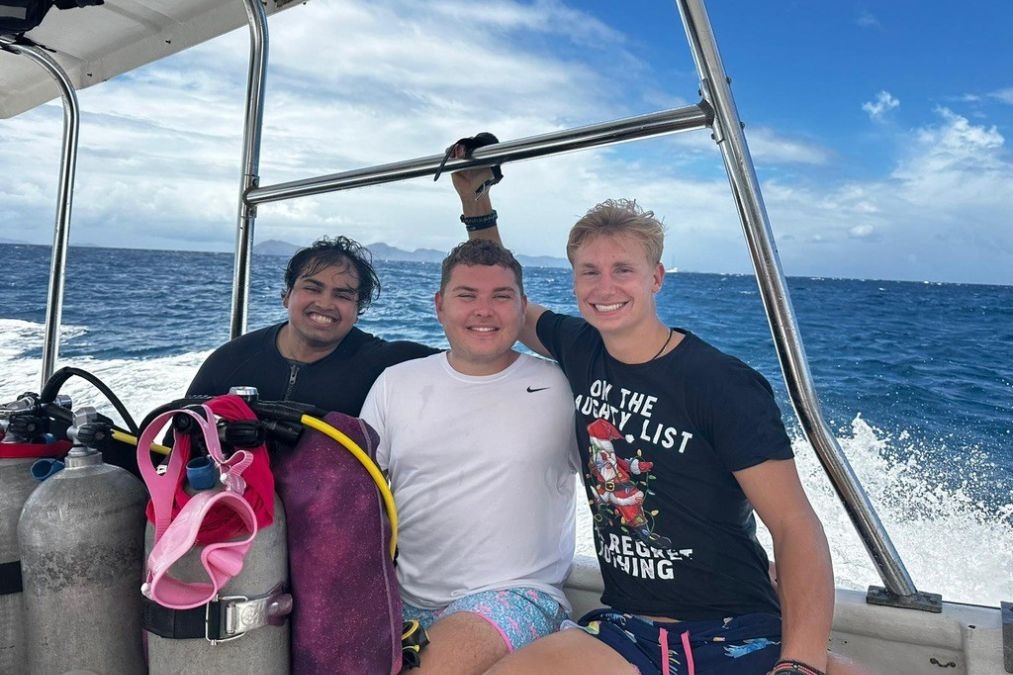
It’s also really important to take care of your mental health. For me, that meant staying active, playing soccer, basketball, or volleyball, swimming, or just relaxing at the beach. Having those outlets made a big difference, and I’d definitely recommend other students make time for activities like that.
For students considering a Caribbean medical school, it’s truly a unique experience to study medicine on an island. I think that environment was a big reason I was able to stay relaxed and focused. You don’t necessarily have all the distractions of a big city. Instead, you’re on an island with a close-knit community, and you rely on the people around you. That really helped create strong bonds between the students, staff, and friends, something I probably wouldn’t have experienced in the same way at a school in the States.
If you’re interested in learning how Trinity can support your dream of becoming a doctor, we invite you to reach out to our admissions team today! Contact us here.


