

Alumni Spotlight: Dr. Sarah Alsenad
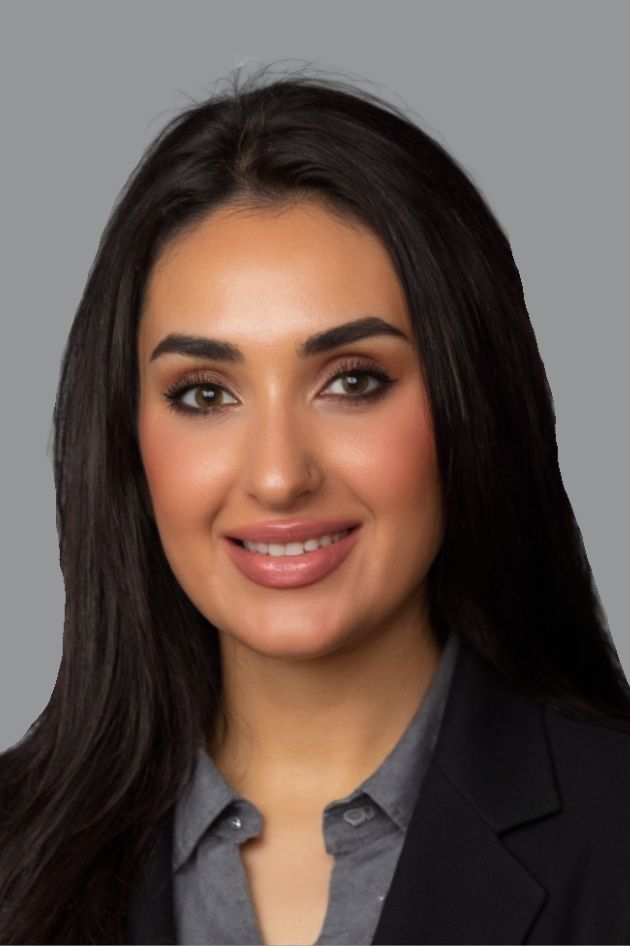
Born and raised in Detroit with a Middle Eastern heritage, Sarah’s journey to medicine has been shaped by her unique experiences, personal growth, and dedication to serving others. Her path has taken her across different cultures, educational environments, and clinical settings, each contributing to the physician she is becoming. At Trinity, Sarah found a community that supported her growth, strengthened her passion for Emergency Medicine, and helped prepare her for the next chapter of her career as a resident physician at Corewell Health in Michigan.
Where are you from, and what’s your academic background?
I was born and raised in Detroit, Michigan, and come from a Middle Eastern background. My mother is originally from Syria, and I spent several years there to immerse myself in the culture, learn Arabic, and connect with my roots. That experience shaped my ability to adapt, embrace different perspectives, and connect with people from diverse backgrounds.
I earned my bachelor's degree in Public Health from Wayne State University in Detroit. After graduation, I took a year to complete post-baccalaureate coursework before pursuing medical school. I initially attended a different medical school in the Caribbean, where I completed my first two years before transferring to Trinity.
What brought you into medicine?
I always knew I wanted to pursue medicine, but my commitment was truly solidified when my father was diagnosed with ALS. For two years, I served as his primary caregiver while my family also faced other major health challenges, including my sister’s cancer diagnosis and my mother’s spinal surgery.
Those experiences gave me a firsthand understanding of healthcare from the patient and family perspective. They taught me that medicine is not only about treating illness but also about compassion, communication, and supporting families through difficult moments. It transformed medicine from a career goal into a calling and continues to guide me toward becoming a physician who provides not only excellent medical care but also empathy and support throughout a patient’s journey.
What made you transfer to Trinity?
As I prepared for my clinical training, I spent considerable time researching clinical sites and educational opportunities. I wanted to ensure that I would receive strong, hands-on clinical experiences that would best prepare me for my future career. During my research, I became aware of challenges at my previous institution, including issues related to clinical site availability and accreditation concerns.
After carefully evaluating my options, I found that Trinity offered outstanding opportunities through its extensive network of clinical sites. I was particularly drawn to the flexibility of completing electives at various hospitals and in different states rather than being limited to a single location. The strength of its clinical affiliations and the opportunities for diverse experiences ultimately led me to transfer to Trinity, where I continued my medical education and advanced my journey toward becoming a physician.
How well do you feel that Trinity prepared you for residency?
I believe I was exceptionally well prepared for residency because of the hands-on clinical experience I received during my rotations in Georgia. Many of my core rotations took place in smaller communities, including Dublin, Georgia, where I completed my emergency medicine rotation.
That particular rotation was transformative. I was the only medical student in the emergency department, and there were no residents. As a result, I worked directly with attending physicians and gained an incredible amount of responsibility and exposure. Although I was formally paired with one attending, all of the physicians in the department actively involved me in patient care because I was the only student there. They were eager to teach and include me in their clinical decision-making processes.
Over the course of those five weeks, I was exposed to a wide variety of cases and clinical scenarios. The rotation coincided with a major hurricane that impacted Georgia and Florida, creating an especially busy and dynamic environment. While it was challenging and at times chaotic, it provided invaluable learning opportunities. Looking back, I would not trade that experience for anything. It was during that rotation that I knew with complete certainty that emergency medicine was the specialty for me.
Beyond emergency medicine, all of my core rotations throughout Georgia—in locations such as Macon, Warner Robins, and Dublin—provided a level of responsibility that many medical students do not experience. I was never treated as someone simply observing from the sidelines. Instead, I was considered an active member of the healthcare team.
I participated in every aspect of patient care, from initial evaluations and presentations to developing treatment plans and coordinating diagnostics. I gained experience placing orders, interpreting results, ordering imaging and laboratory studies, and understanding the clinical reasoning behind each decision. In specialties such as family medicine and internal medicine, I was also exposed to coding, billing, and practice management—areas that are often overlooked during medical training but are essential to practicing medicine effectively.
That exposure gave me a much broader understanding of what it truly means to function as a physician. Many graduates enter residency with limited experience in the operational side of medicine, but I had the opportunity to learn those skills early. This not only enhanced my clinical education but also gave me confidence in my ability to transition into residency.
The best way I can describe my clinical experience is that it allowed me to practice being a resident before officially becoming one. I was given meaningful responsibility, accountability, and respect, all while working under close supervision and mentorship. While everyone says you can never be fully prepared for your first year of residency, I know that my clinical training exposed me to as much as possible and helped me become the most prepared version of myself. Trinity truly gave me the opportunity to experience what a day in the life of a physician looks like—not just as a student, but as an active participant in patient care.
Where did you match?
I matched into Emergency Medicine at Corewell Health, a combined residency program based at the Trenton and Dearborn campuses in Michigan. What makes this opportunity especially meaningful to me is that I was actually born at Corewell Health Dearborn. In many ways, it feels like a full-circle moment—returning to the very hospital where my journey began, now as a resident physician starting the next chapter of my career.
Was Trinity a good choice for you?
Absolutely. And I say this from a completely unbiased perspective. Before transferring into Trinity’s Term 5, I struggled quite a bit in the Caribbean—not only academically and professionally, but also with the decision to leave a place where I had finally become comfortable. I'm the type of person who tends to stay committed once I've adapted, even when a situation isn't ideal. So transferring schools was a major step outside of my comfort zone.
Looking back, it was one of the best decisions I've ever made. The difference at Trinity was the level of support, mentorship, and genuine investment in student success. For the first time, I felt like the administration was truly on my side. Instead of constantly feeling like I had to prove that I belonged or deserved an opportunity, I felt supported and guided toward reaching my full potential.
The mentorship I received from the faculty and administration was unlike anything I had experienced before. They didn't just help me navigate medical school—they helped me grow as a future physician. That support made a tremendous difference in my journey, and it played a significant role in helping me achieve my goal of matching into residency.
Did you feel supported throughout your education at Trinity?
One of the things I appreciated most about Trinity was the student culture. As a transfer student, I initially gravitated toward other transfers because it felt familiar and comfortable. However, once I became more involved in student organizations, clubs, volunteer activities, and clinical rotations, I realized how welcoming and supportive the entire student body was.
There was never a distinction between transfer students and students who had started at Trinity. Everyone was focused on helping one another succeed. In a field where competition and toxicity can sometimes be common, I found the environment to be collaborative rather than competitive.
I remember feeling extremely nervous before my first shelf exam, but students who were ahead of me were eager to share study strategies, advice, and encouragement. Instead of feeling like I had to compete with my classmates, I felt supported by them.
That same sense of teamwork continued throughout clinical rotations. Everyone wanted to do their best, but there was no pressure to outshine one another or compete for attention. We worked together, supported each other, and recognized that we all shared the same goal of becoming great physicians and matching into residency programs.
What stood out most was that I never felt like I had to constantly prove myself. I could simply focus on learning, growing, and being part of a team. That supportive culture made a significant difference in my medical school experience and is something I genuinely valued throughout my time at Trinity.
Were you involved in any research?
Yes, absolutely. One of the highlights of my time at Trinity was completing and presenting a case report that was actually based on my own medical experience. Trinity's research program gave me the opportunity to learn how to develop a poster, present research, and connect with mentors who guided me through the publication and conference process.
My case report focused on Cushing syndrome caused by an herbal supplement used in traditional Chinese medicine. What made the case unique was that I was the patient. After developing classic symptoms of Cushing syndrome and eventually experiencing an adrenal crisis, I worked with my physicians to determine the cause. Through extensive research, I discovered that ingredients in the supplement had steroid-like effects that were triggering my condition.
Because there was very little literature available on this topic, the case attracted significant interest. With guidance from faculty, I presented the research at multiple conferences, won an award at Trinity's research fair, and received recognition at other presentations as well.
What I appreciated most was the support Trinity provided throughout the process. The faculty recognized the value of the case, connected me with the right resources, and helped me turn a personal medical experience into meaningful research that raised awareness about the risks of certain herbal supplements.
During your time at Trinity, were you active in any organizations?
Yes. My first clinical site with Dr. and Mrs. Lumboy was one of the most meaningful experiences I had at Trinity. Service and humanitarian work have always been important to me, and they helped me continue that passion through Rotary Rotaract in Georgia. As a board member and secretary of the Trinity chapter, I was able to participate in community projects, support a free clinic, and work on initiatives that helped underserved populations. That experience strengthened my commitment to service and reinforced why Emergency Medicine was the right path for me.
What is the best advice you could share with a prospective Trinity student?
The best advice I could give a prospective Trinity student is: don’t lose sight of why you started. Medical school will challenge you, but your purpose will carry you through the difficult moments. Stay connected to your support system, be mindful of the financial commitment, and trust the process. The hard days are part of the journey, and they will ultimately help shape you into the physician you are meant to become.
If you’re interested in learning how Trinity can support your dream of becoming a doctor, we invite you to reach out to our admissions team today! Contact us here.


