

Alumni Spotlight: Dr. Samantha Stubbs
.jpg)
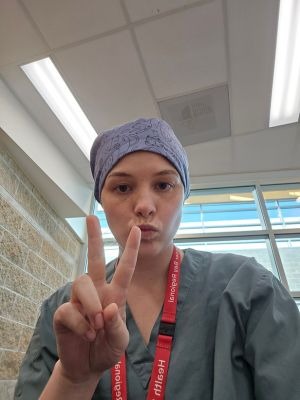
When Samantha Stubbs matched into the Diagnostic and Molecular Pathology residency program at Queen’s University through CaRMS, it marked the culmination of a carefully navigated journey that began in Thunder Bay, Ontario. After earning an Honours Bachelor of Science in Chemistry from Lakehead University, Samantha pursued medical training abroad at Trinity School of Medicine, seeking a pathway that would allow her to move forward without delay while keeping her long-term goal of returning to Canada firmly in focus. Along the way, she immersed herself in clinical experiences, became actively involved in student leadership, and discovered a specialty that perfectly aligned with her interests.
What brought you into medicine? I always had a sense that I would pursue a career in medicine. What drew me in was the field's constantly evolving nature and the opportunity to make a meaningful, positive impact on people’s lives. I was particularly interested in pathology, as it offered a behind-the-scenes role that really suited me. With that in mind, I knew that attending medical school was the necessary next step to achieve that goal.
Why did you choose Trinity, and what helped you make the decision? Did you apply to other med schools? I learned about Trinity through an articulation agreement with Lakehead University. What stood out to me was the strong support provided throughout the application process; I never felt lost or overwhelmed while applying. Another major advantage was how quickly I was able to start. I wasn’t sure how I wanted to spend another year waiting for the match cycle, and pursuing a master’s degree didn’t feel like the right fit for me at the time.
When I applied and received an acceptance within just a few weeks, it felt like everything fell into place perfectly. It’s funny to look back and realize I applied to only one medical school and got into that one without going through years of repeated application cycles.
How well do you think Trinity prepared you for the Match? I think there was definitely more emphasis on the American match, so I had to do some independent research to understand the separate Canadian timelines and deadlines better. That said, overall, I felt very well prepared, and in the end, everything worked out perfectly.
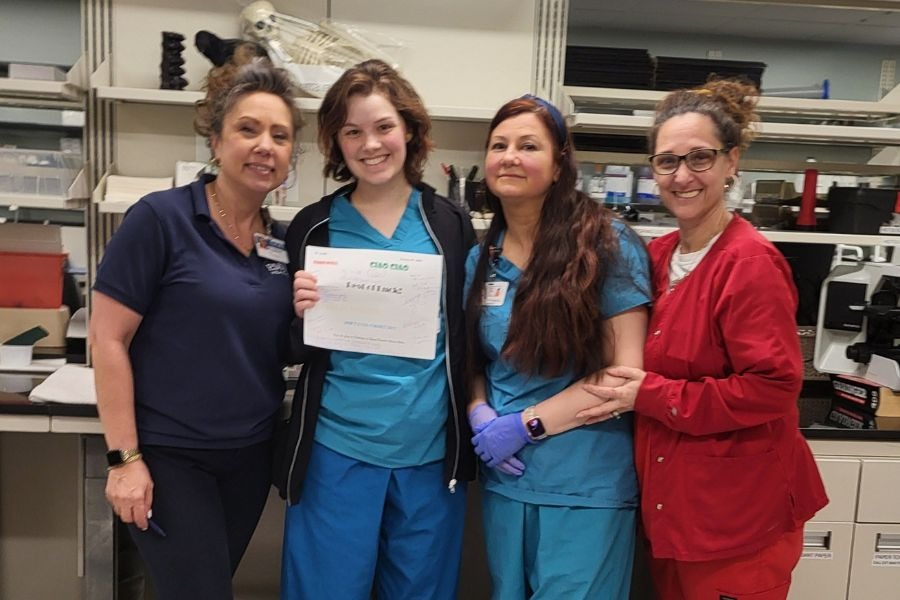
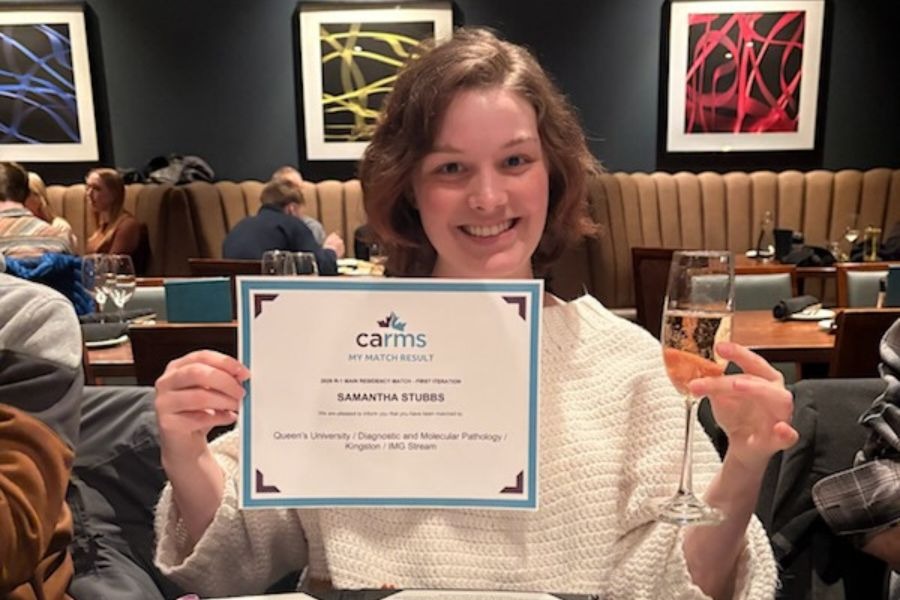
Where did you match? What made you choose that specialty? I matched at Queen’s University in their Diagnostic and Molecular Pathology program. During my training, I completed an elective there and immediately connected with both the program and the people. I genuinely loved the environment. From that point on, I knew Queen’s would be my top choice, so matching there was incredibly rewarding.
I had been interested in pathology from early on, though I wasn’t sure which subspecialty to pursue since there are several options. That elective really helped narrow my focus, confirming that diagnostic and molecular pathology was the right fit for me over areas like hematopathology or neuropathology. It ultimately came down to gaining hands-on experience, exploring different areas, and identifying what I could see myself doing long-term.
One of the unique aspects of pathology is that you don’t interact with patients face-to-face. Instead, you’re often referred to as a “physician’s physician.” You work closely with patient samples and surgical specimens, playing a critical role in diagnosis. While the interaction is indirect, your findings and reports are essential to patient care and guide the decisions of the broader medical team.
Was Trinity a good choice for you? Ultimately, Trinity got me to where I wanted to be, and I was able to do it in four years, just as I planned. Looking back, it was absolutely worth it.
At the end of the day, what really matters is reaching your residency. The specific medical school you attend isn’t as important as the effort you put in. No matter where you go, any medical school can get you there if you’re committed and work for it.
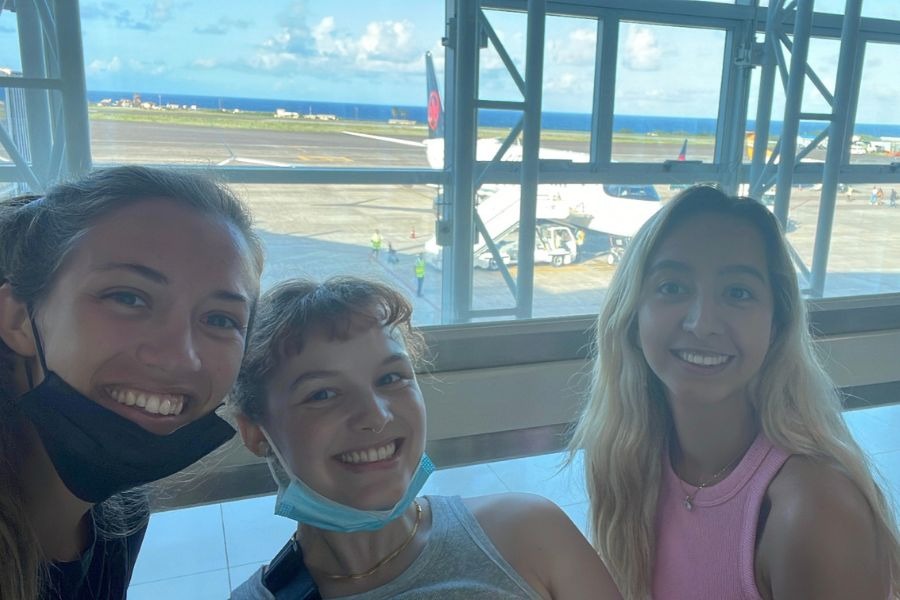
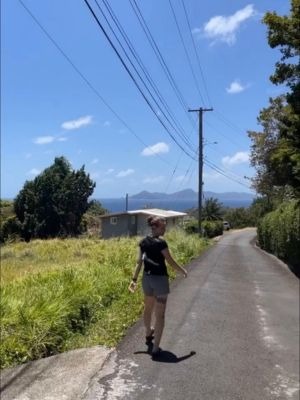
What was the transition like from Canada to the island? The transition was definitely something to get used to. The weather, the culture, and the shift from undergrad to medical school all made it feel quite different, but that’s true no matter where you go. The adjustment was relatively straightforward, and while the culture was different, it was still familiar enough that I didn’t feel out of place.
Since there’s no language barrier and the school provides strong support, settling in is quite easy. You can stay primarily on campus or explore the island, depending on your preferences. Starting medical school is always a challenge, so it’s really about being prepared for that change and being open to adapting. If you’re willing to embrace the lifestyle, you’ll do just fine.


The island itself is incredibly friendly. As someone who is more introverted, the welcoming environment made a big difference. The school’s welcoming committee, made up of volunteers who genuinely want to help, was especially impactful. I met several people through that group who were not only supportive but also played a role in helping me along my path to residency, particularly those with an interest in pathology.
Overall, it was a very positive experience. The community was warm and supportive, and the island itself is a great place to live and study.
Were you active in any community service organizations or student clubs? During my time on the island, I volunteered as a tutor and was actively involved in the Canadian Medical Student Club. I eventually took on a board position for several terms, which allowed me to contribute more meaningfully and participate in community service initiatives.
I also joined a few other clubs more casually, attending events when I had the time, but my primary focus remained on the Canadian Medical Student Association. Through that involvement, I built strong friendships, strengthened my resume, and helped organize fundraisers and other events, which made the experience both rewarding and impactful.
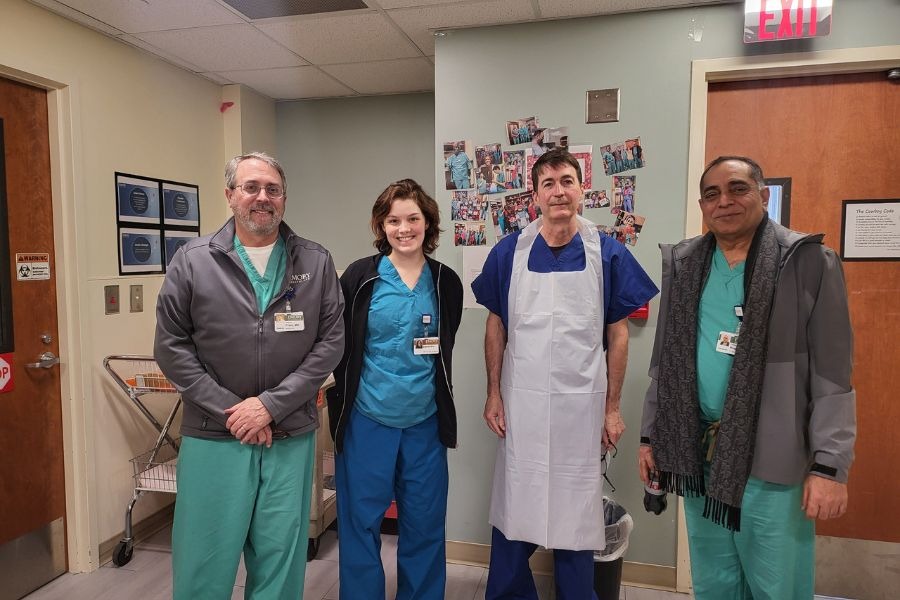
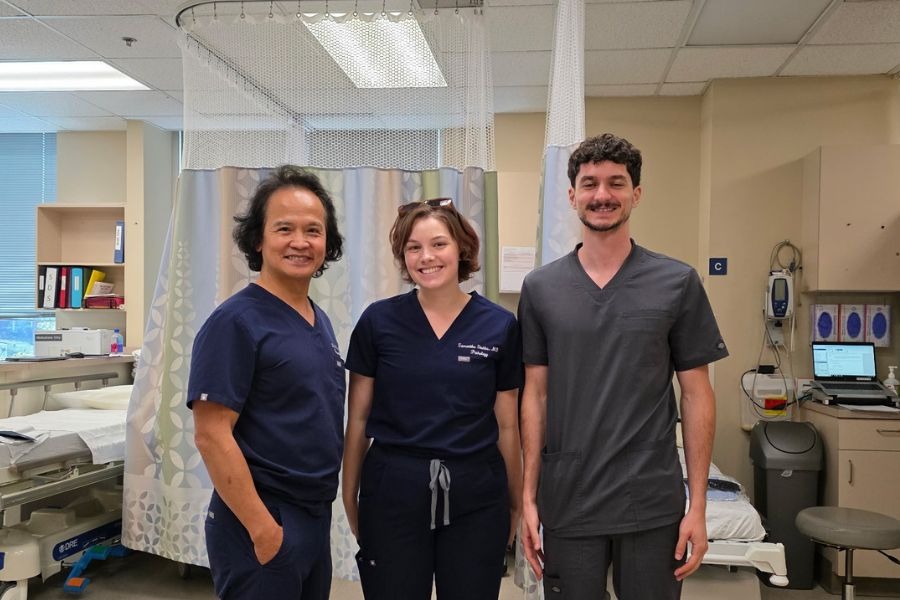
Where did you take rotations? In the third year, we complete our core rotations at one of the school’s affiliated rotation locations. I chose to stay in Georgia since I was already there for Term 5. After that, I had the opportunity to rotate at different locations. I spent some time in Baltimore, but because my goal was to match into Canada, I prioritized completing electives there.
Coming from Thunder Bay, there were limited options close to home, so I applied broadly across Canada. I used the AFMC student portal to arrange my electives, and the process was quite straightforward. You do need to plan well in advance—I started applying around March or April, and my rotation at Queen’s was scheduled for late July. Once you apply through the portal, you’re notified of the outcome, and if accepted, the host school coordinates the rest of the details with you.
During my elective at Queen’s, I had the chance to meet with the program director. She encouraged me to explore additional Canadian programs so I could gain a well-rounded perspective. Following that advice, I completed another pathology elective through Dalhousie in New Brunswick, where I was able to experience two different pathology departments. I also did a general surgery rotation at NOSM in Thunder Bay, which gave me further exposure to the Canadian healthcare system.
Overall, the process of setting up electives was manageable, though it does require early planning and flexibility. I found it valuable to experience a range of clinical environments, and it really helped me confirm my interests and prepare for residency.
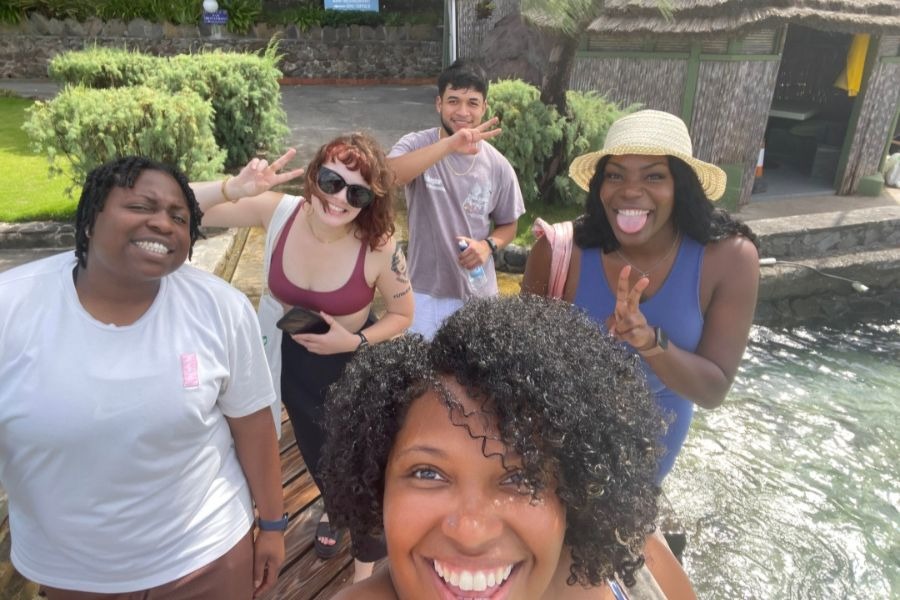
What has been your favorite experience so far at Trinity? One of the best parts of my experience was definitely the friendships I built. Some of my favorite memories are the simple things, like game nights where we’d all take a break from studying, go over to a friend’s place, do a potluck, play board games, and just listen to music together. Those nights really stood out because it’s easy to get caught up in the stress of school and forget to make time for fun. Having that sense of community and spending time with friends outside of academics made a huge difference for me.
I also appreciated that the environment didn’t feel overly competitive like in other schools. I never focused too much on how others were performing. If anything, when others did well, it felt like a win for all of us as a class. I think many students at Trinity share that perspective, which helps create a more supportive and collaborative atmosphere overall.
What is the best advice you could share with a prospective Trinity student? My best advice is to go in with a clear understanding of what you’re signing up for. Medical school requires a lot of hard work and self-directed learning; you have to take initiative, stay organized, and motivate yourself consistently. It’s not something that’s handed to you. Being aware of that from the beginning and developing a sense of independence and self-sufficiency really helps you stay ahead throughout the process.
It is challenging, but it’s also very rewarding, and the effort definitely pays off in the end.
I also definitely recommend having hobbies outside of medicine. Not only does it make you more of a well-rounded applicant, but it also gives you an important outlet during stressful times. Having interests outside of school really helps with balance and makes the overall experience much more sustainable.


